Architekturwoche Basel:
an Apparatus for Minor Toxic Events
2024
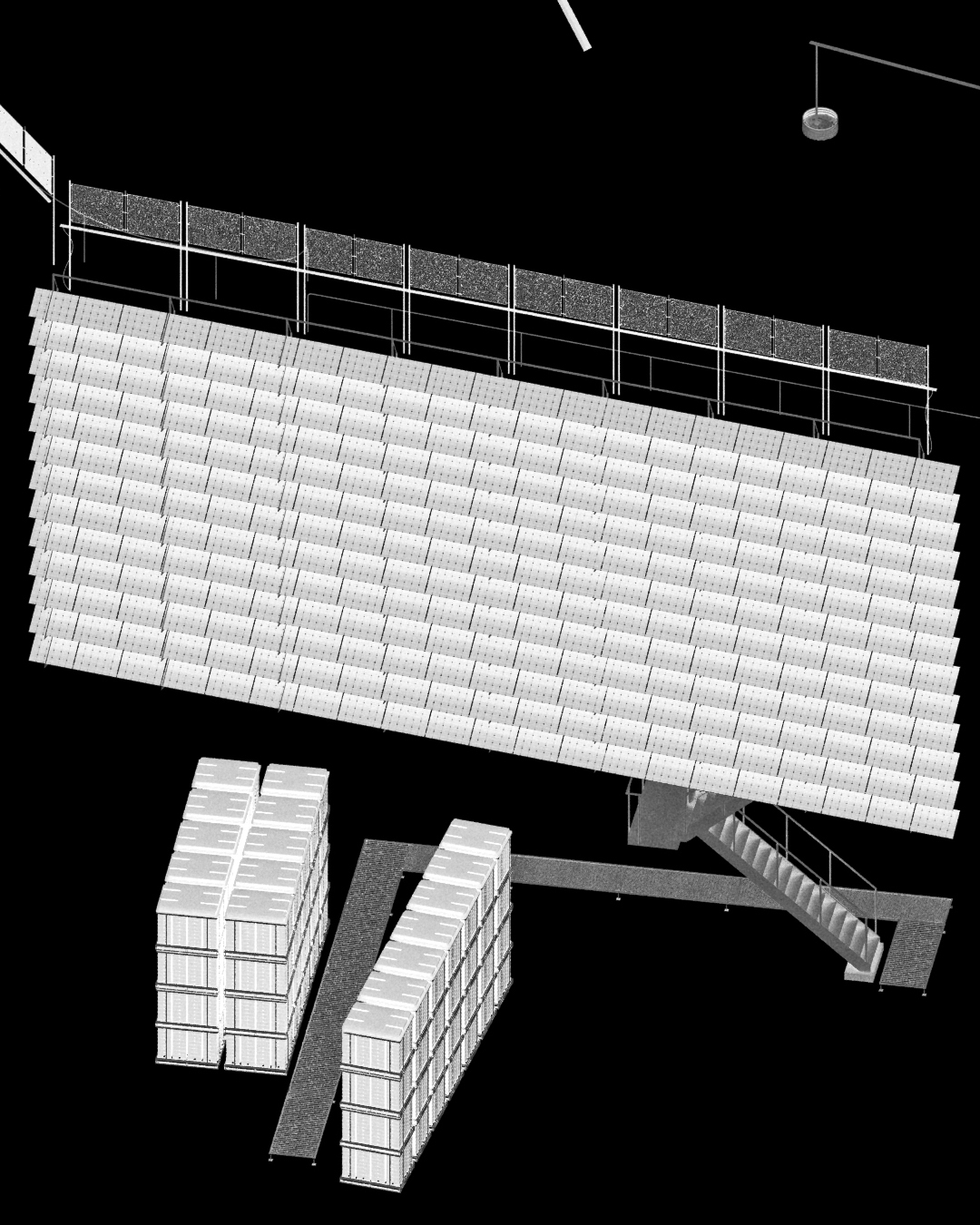

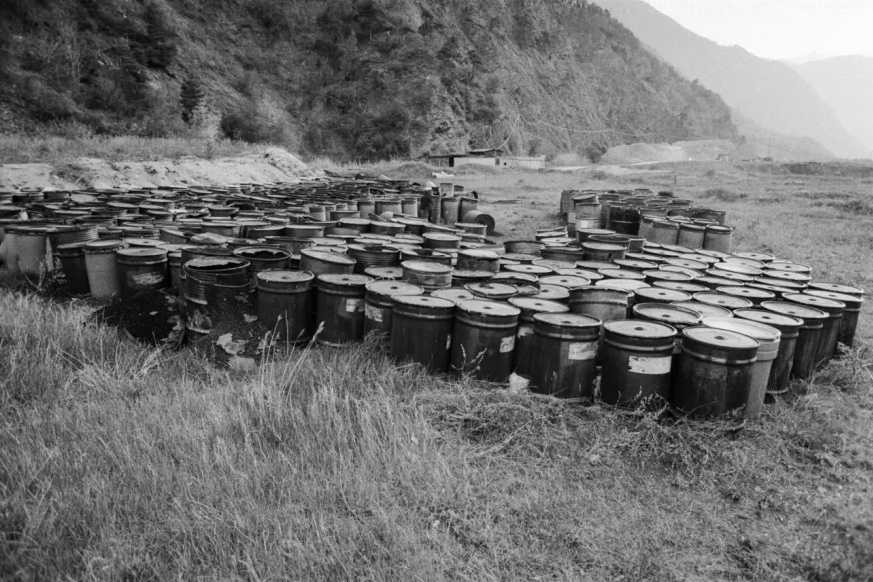
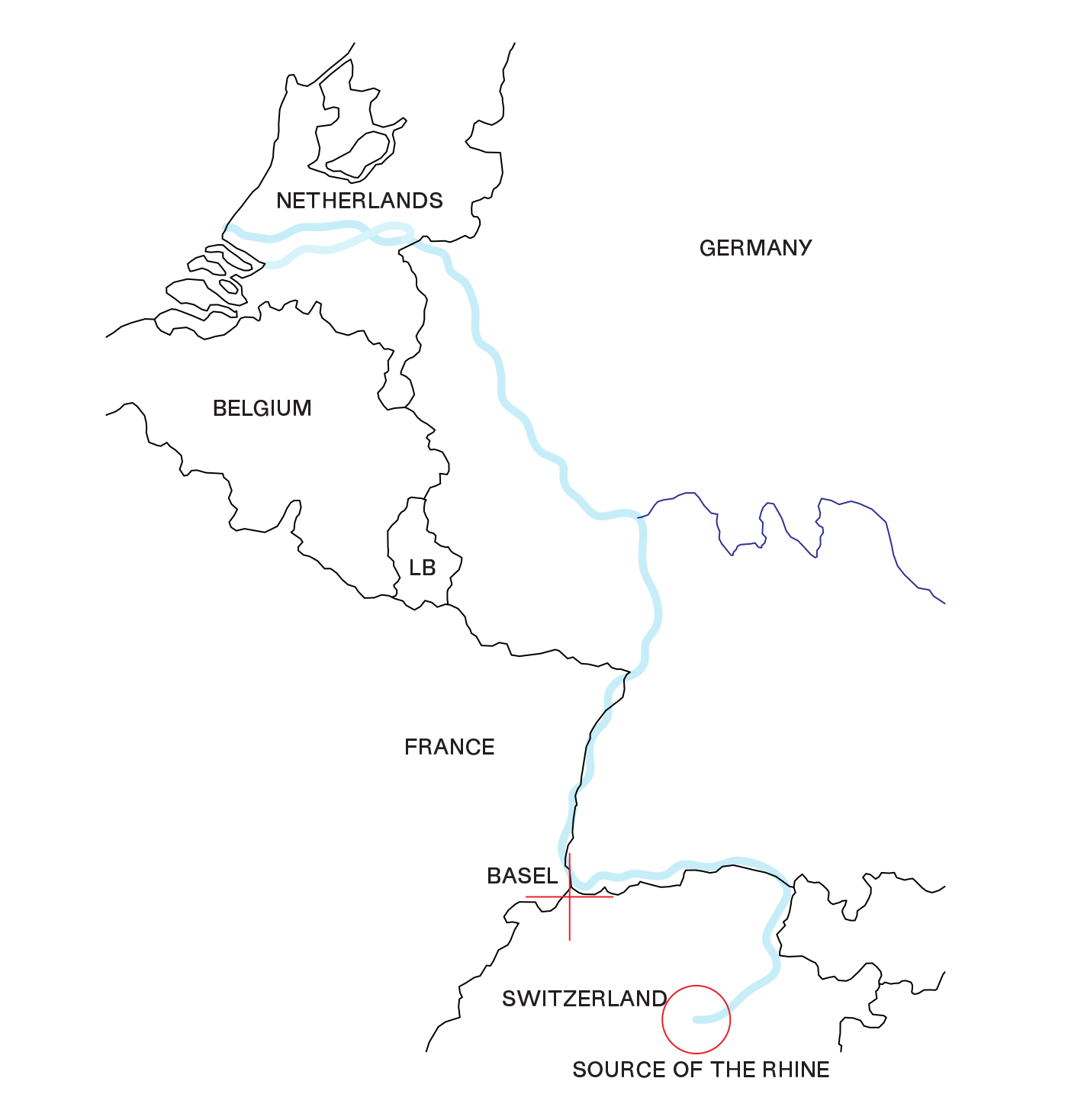
We came to the competition knowing little about Basel and without much familiarity with the Schweizerhalle fire of 1986. The disaster, triggered by a warehouse fire at a chemical plant near the Rhine, sent toxic pollutants into the air and contaminated the river system far beyond the immediate site. Its effects moved quickly across borders, making clear that ecological damage does not recognise national territory or political jurisdiction. What it exposed was not only the scale of the event itself, but the extent to which Basel sits within a larger bioregional system, where contamination, water, air and ecological harm are shared across connected geographies.
We were also struck by the way Switzerland has since reckoned with the broader legacy of toxic waste, mapping thousands of polluted sites across the country that now require ongoing rehabilitation.


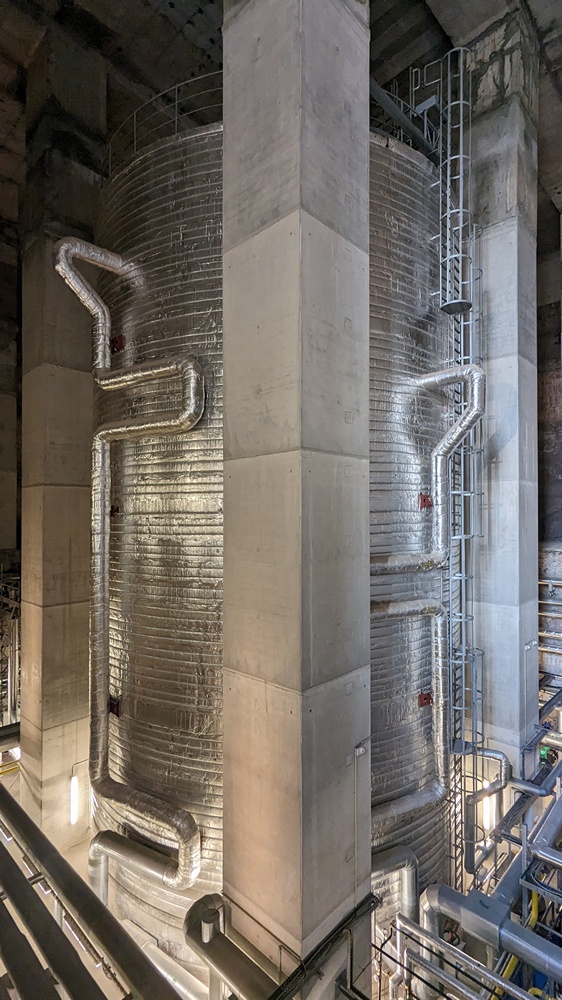
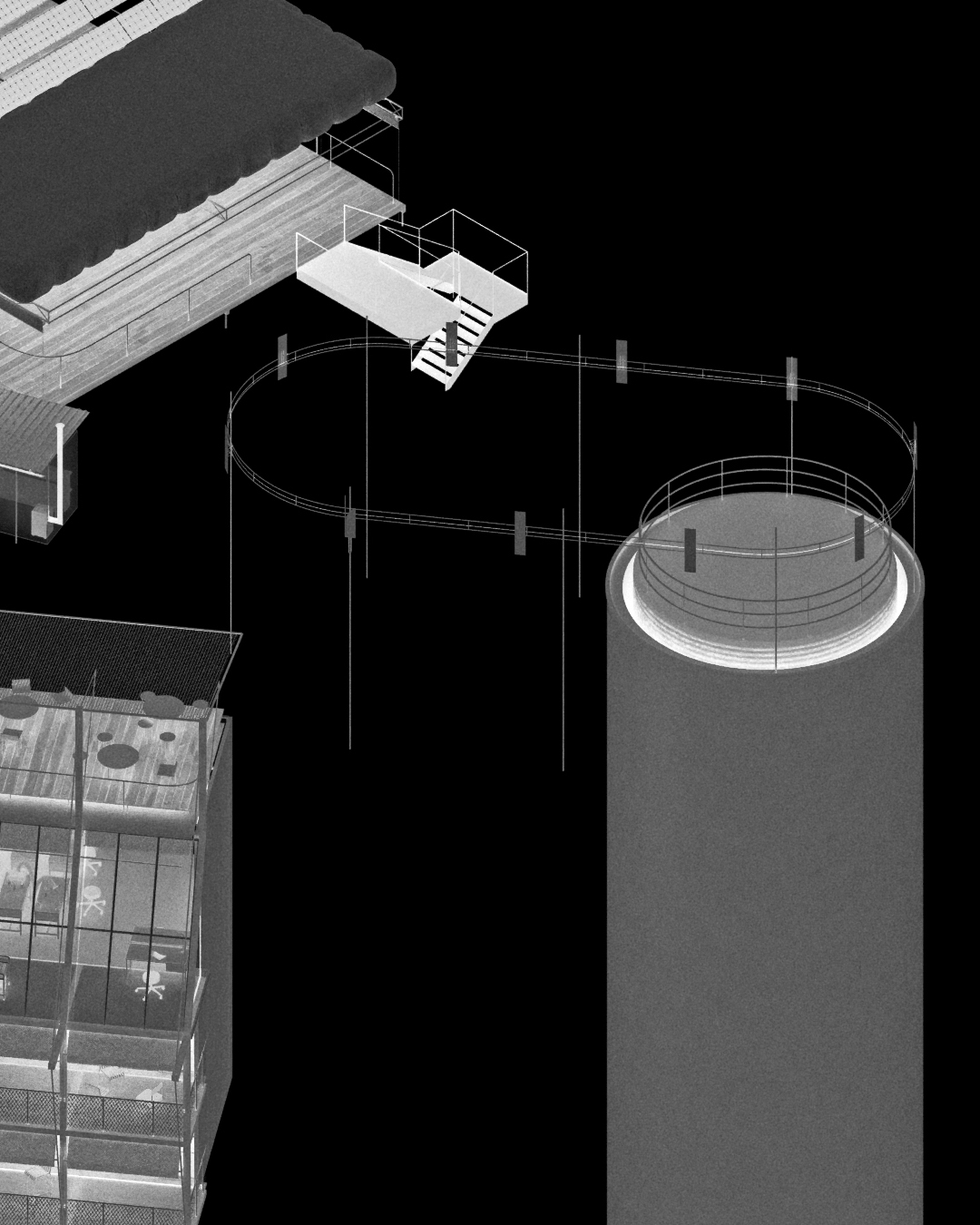
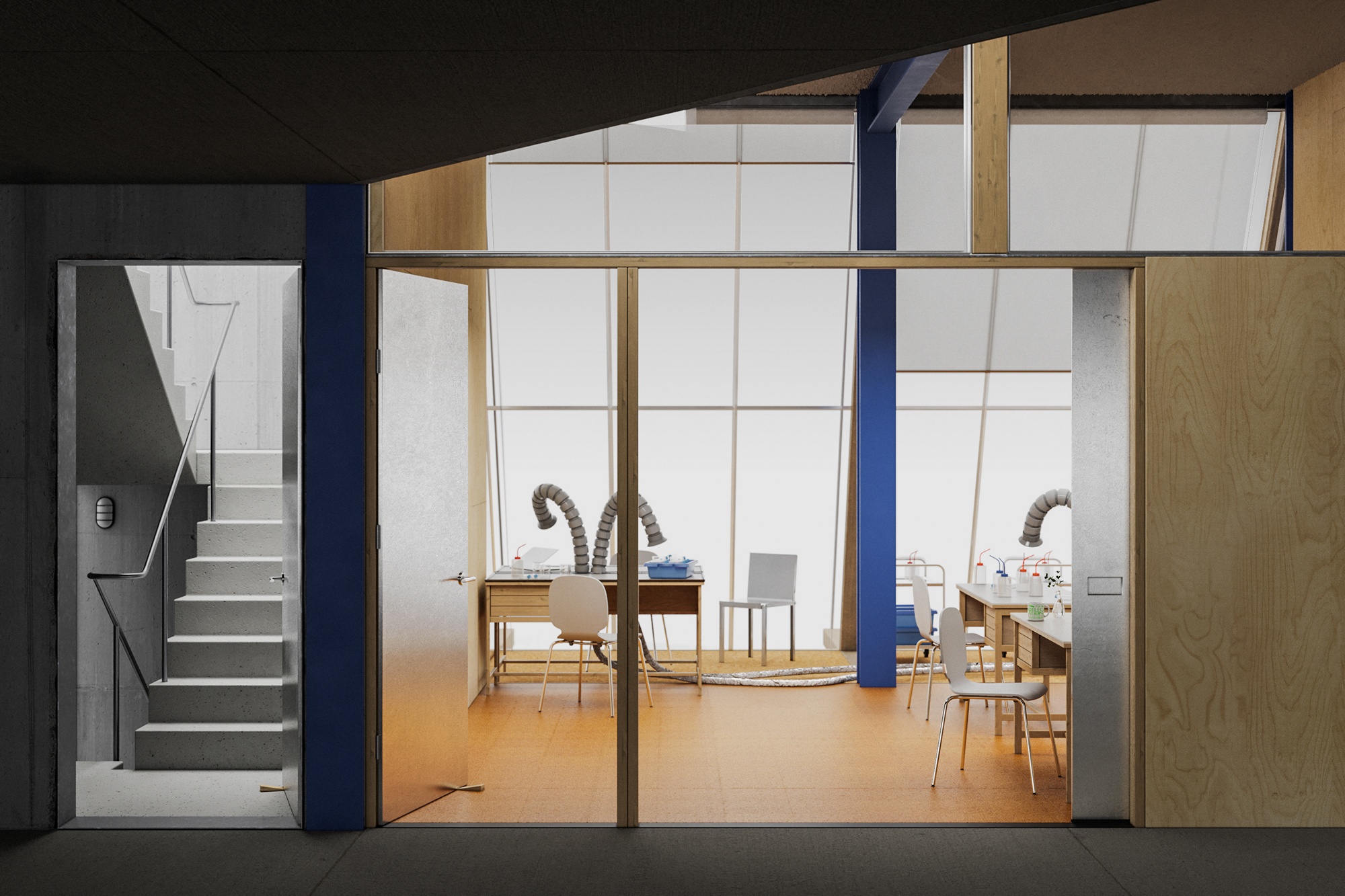
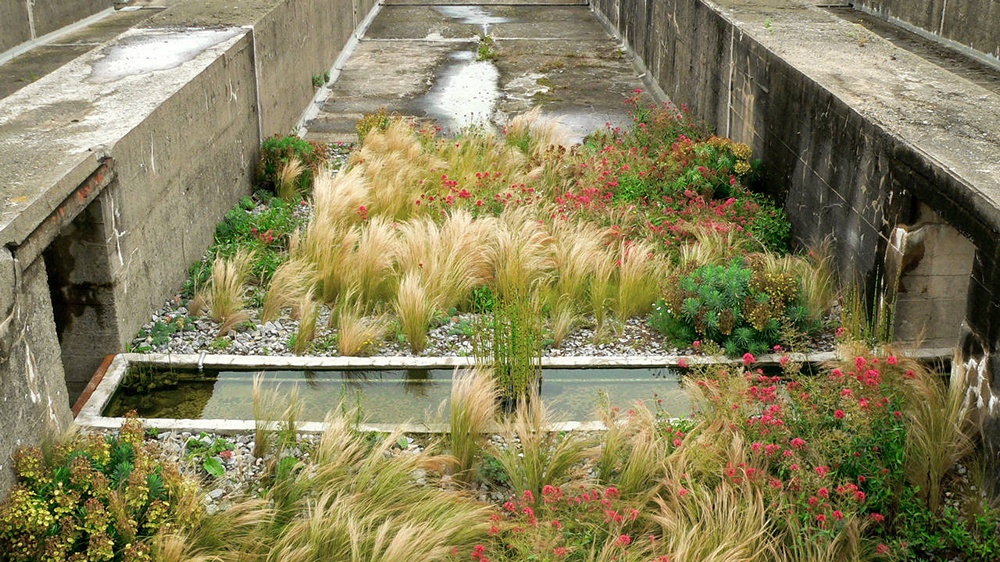
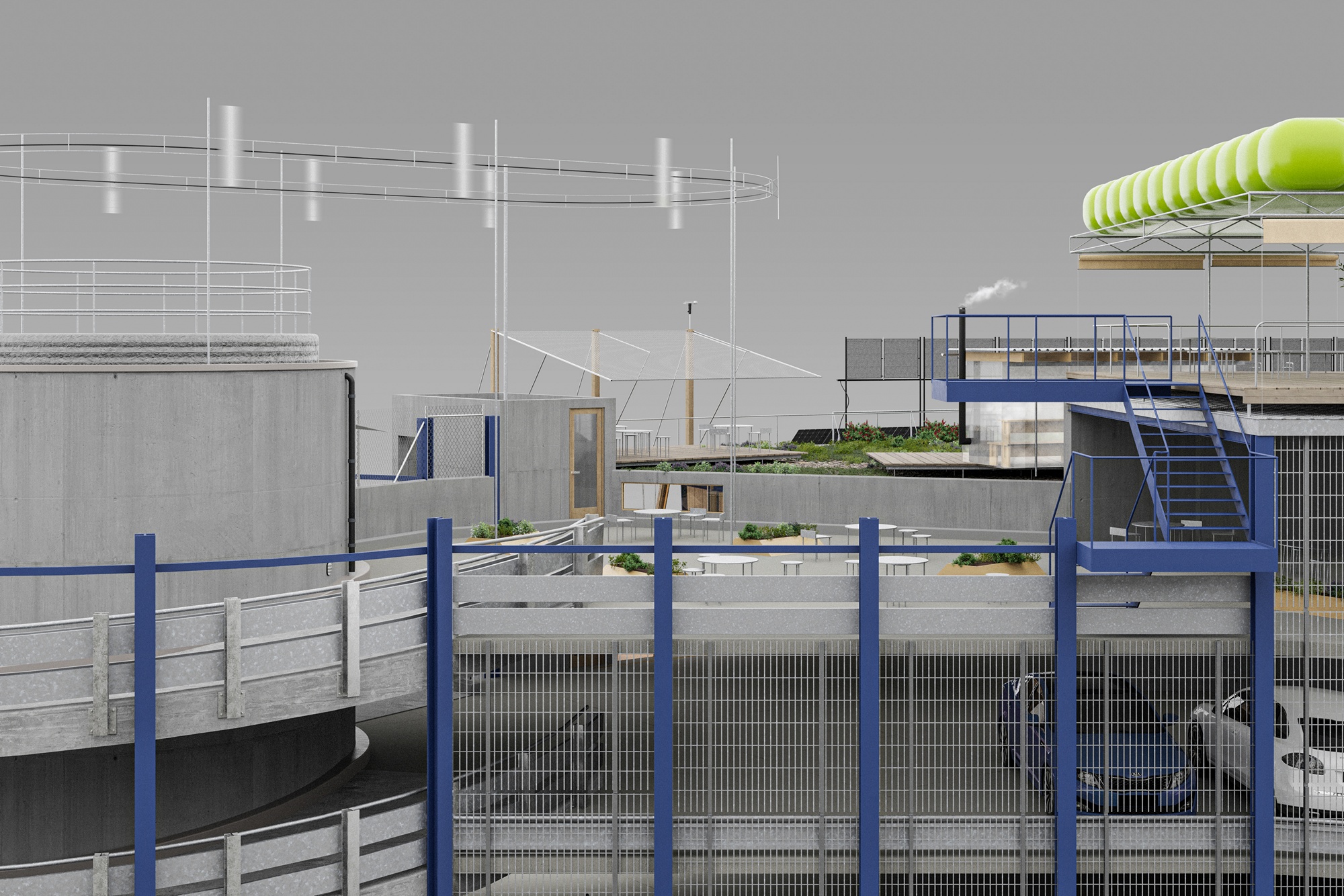
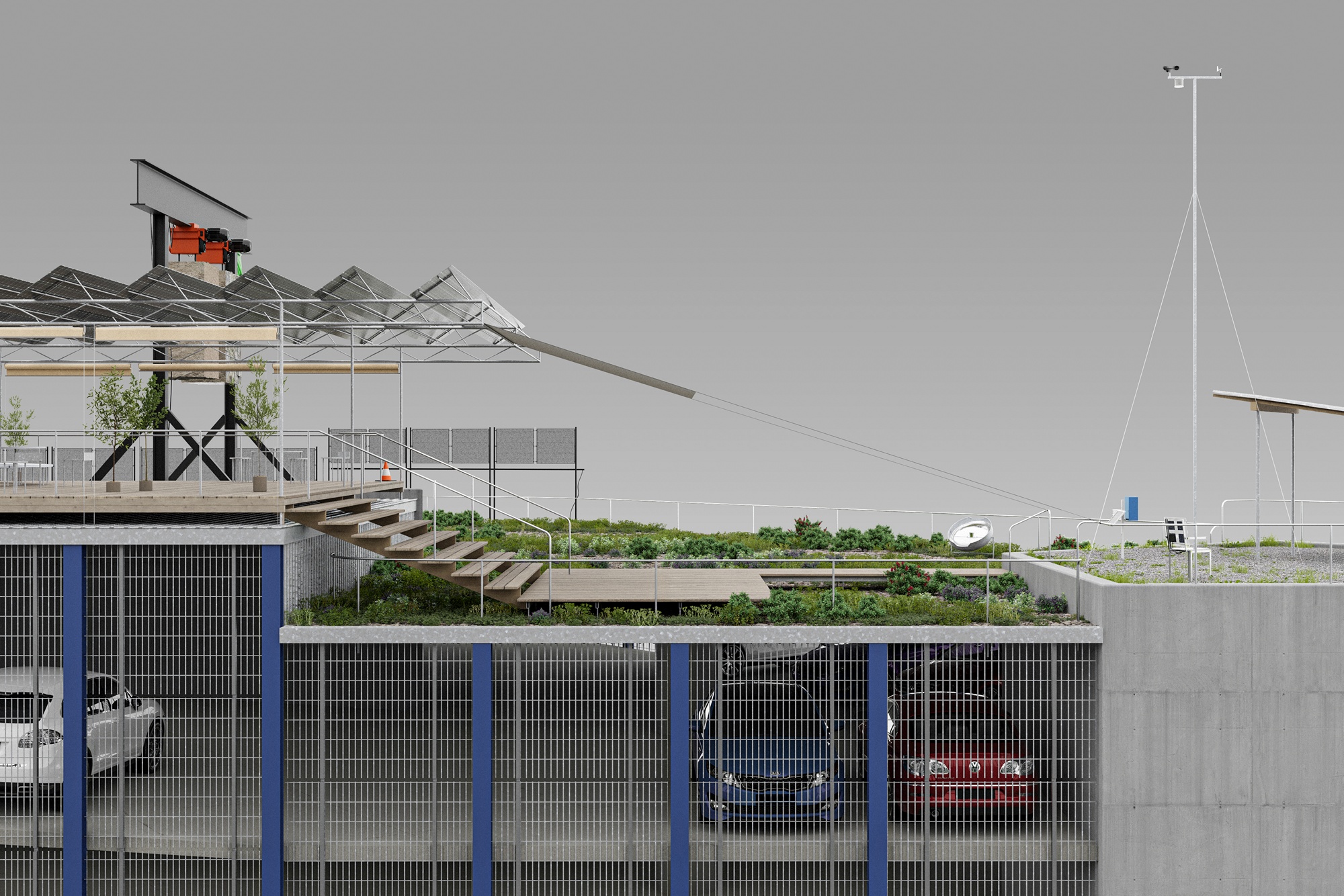
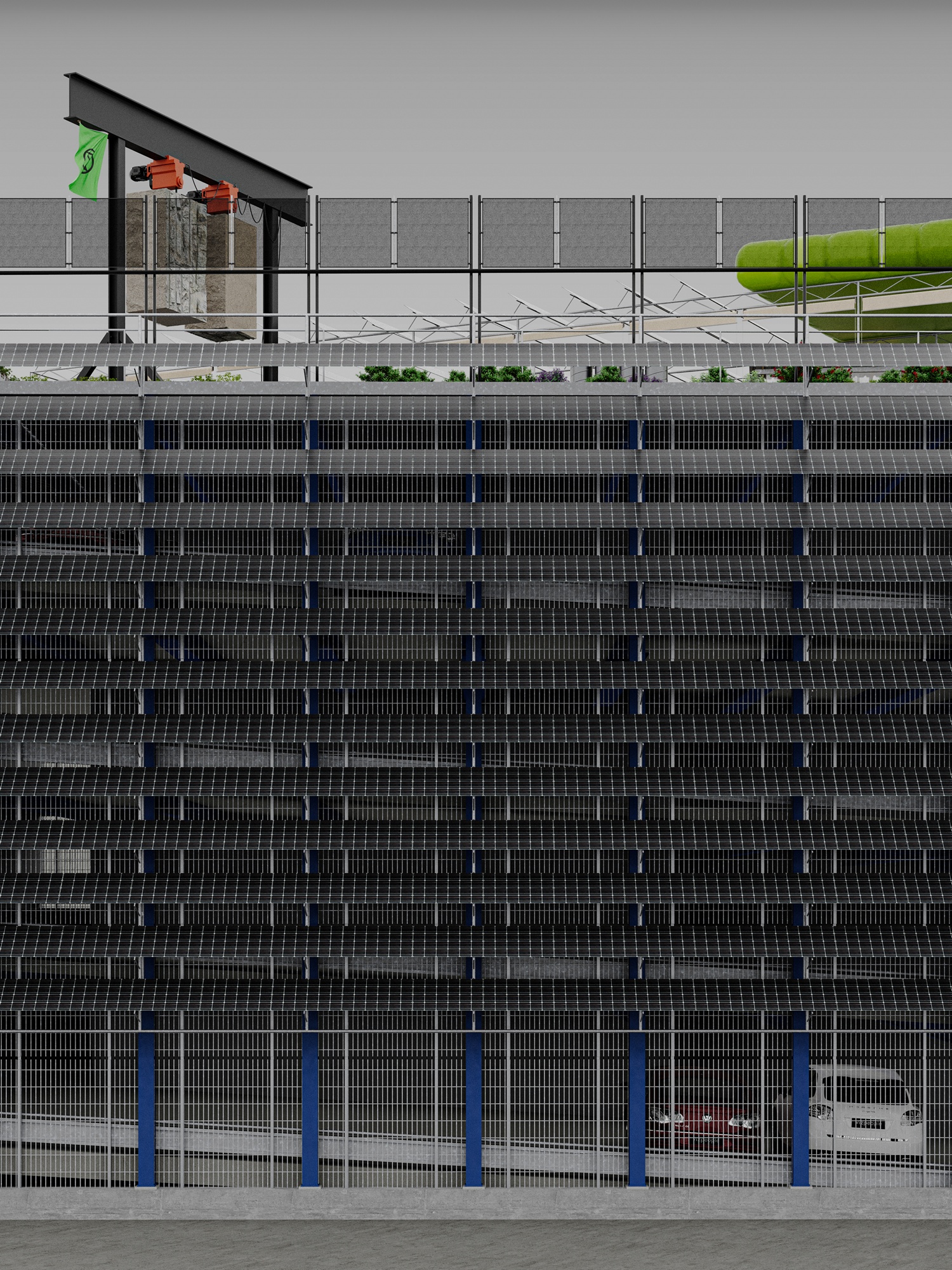
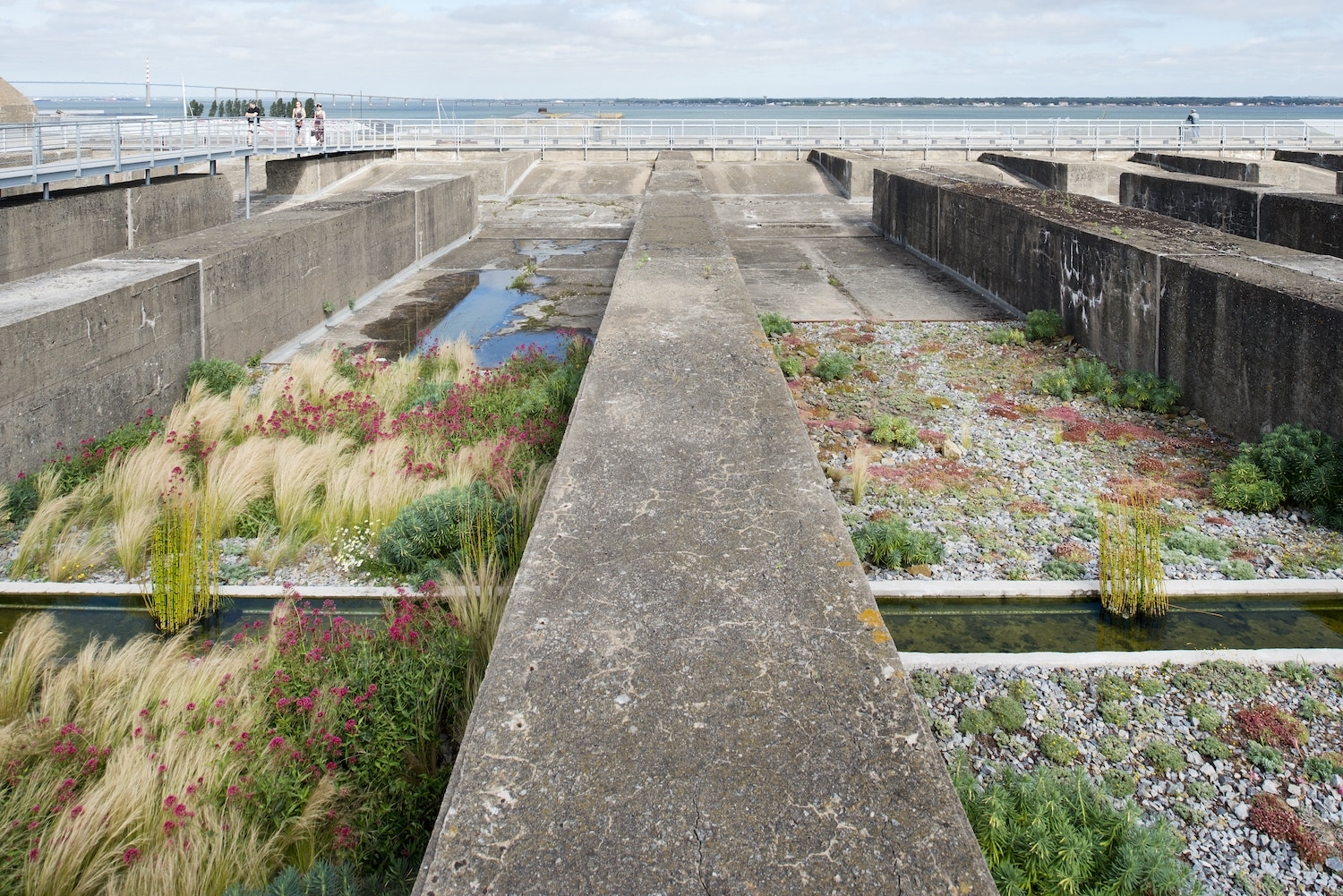
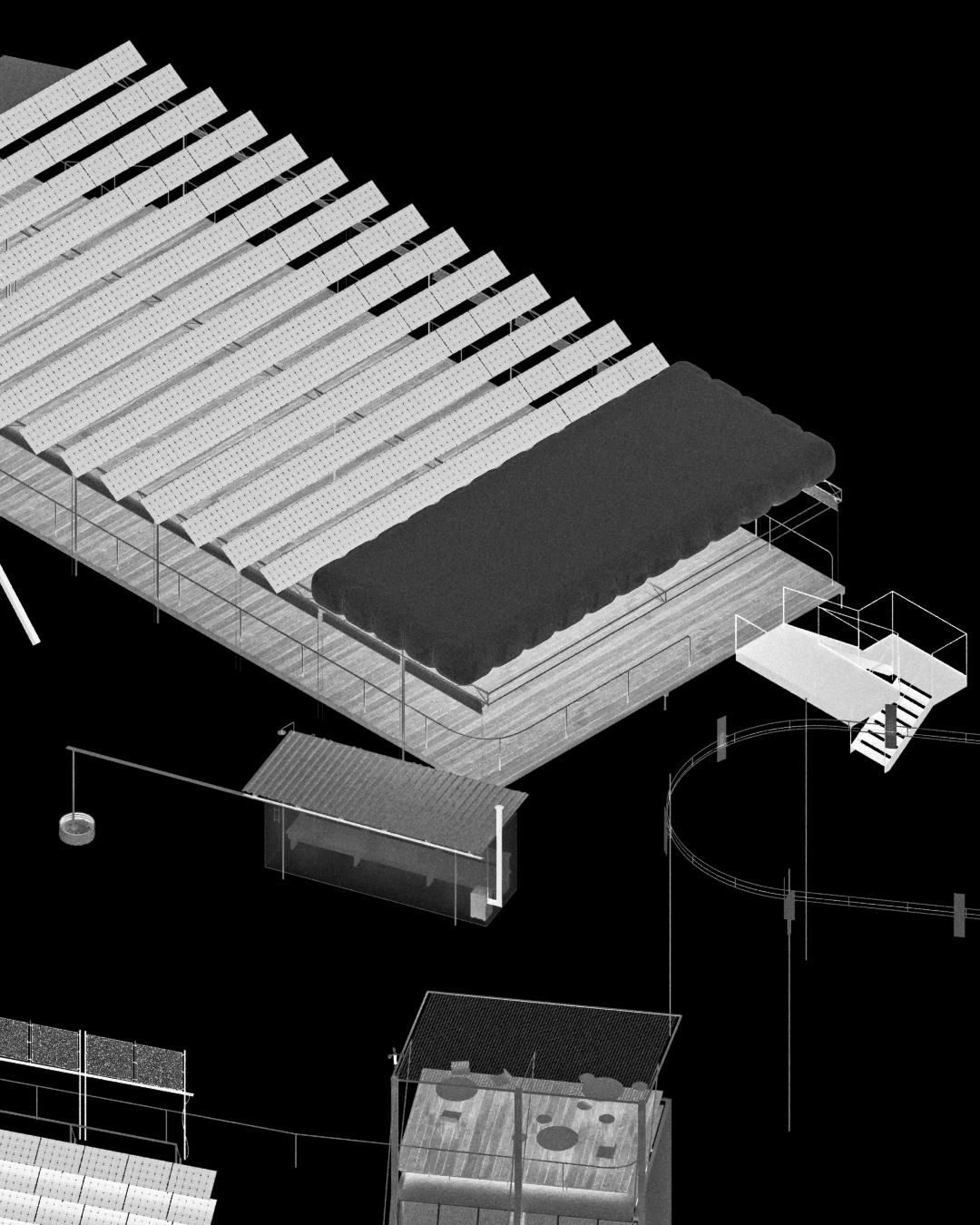
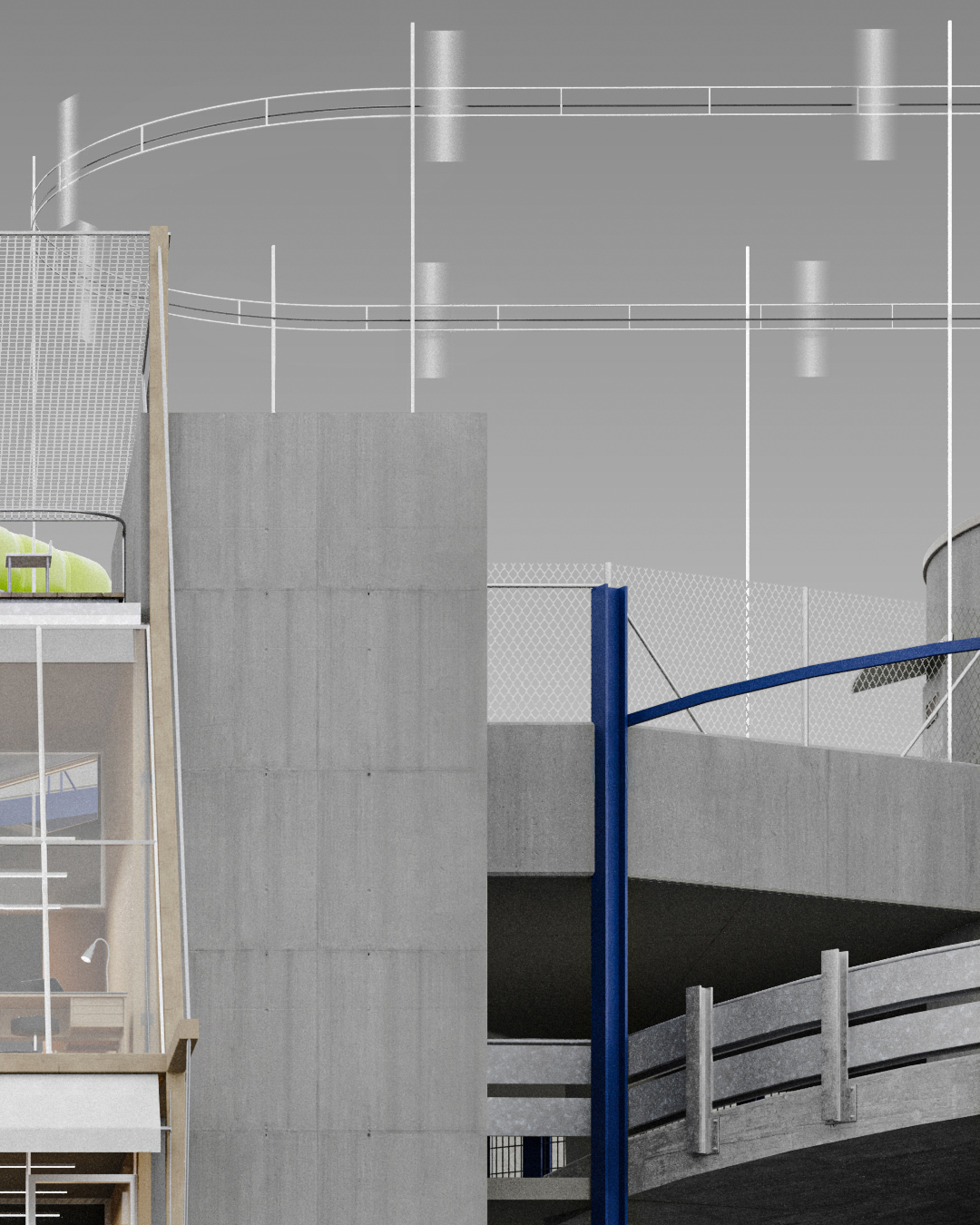
Our proposal reworked the car park and district basin from a passive piece of infrastructure into an active environmental system. Drawing in part on precedents such as the Energiebunker in Hamburg, the project combined ecological monitoring, filtration, remediation, energy generation and storage within a single site. Rooftop photovoltaic arrays generated power, which was stored within adapted water basins and used to support a network of analytical and filtration devices. Pollutants carried through urban runoff, including oil, tyre wear, cigarette butts, pesticides and microplastics, were collected, filtered, documented and archived, allowing the site to operate as both remediation infrastructure and a long-term environmental record.

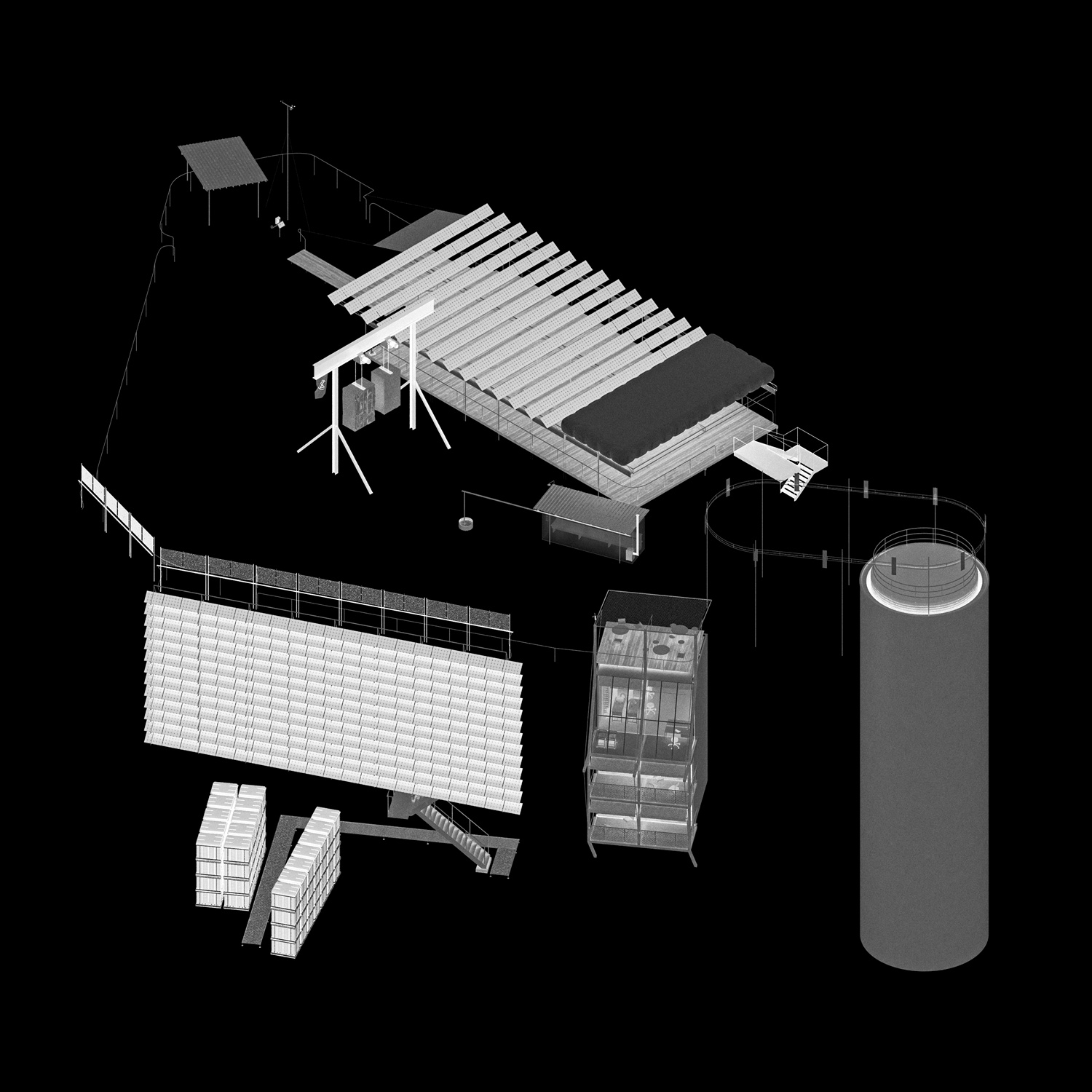
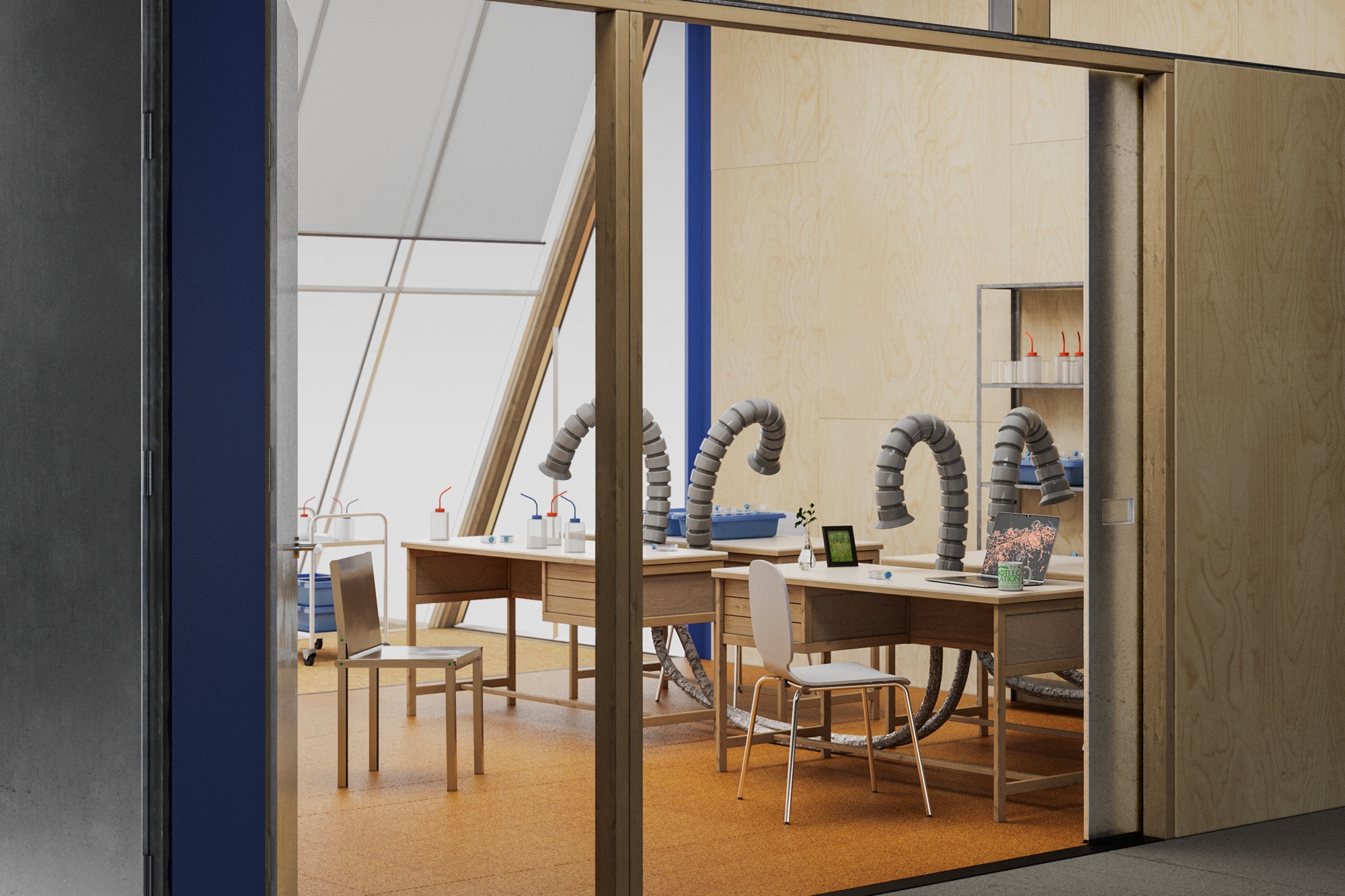
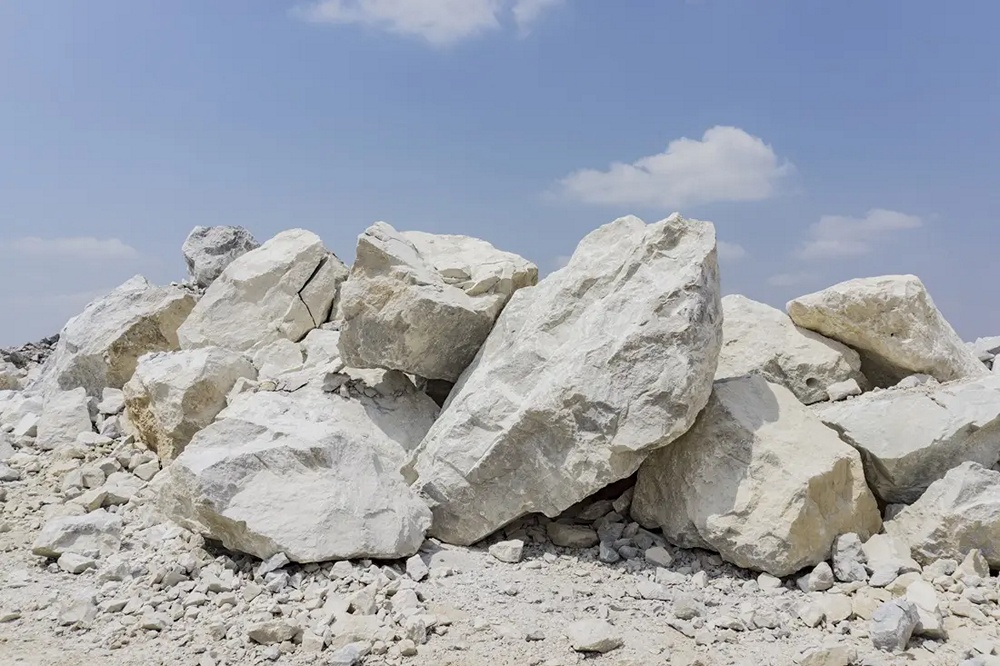
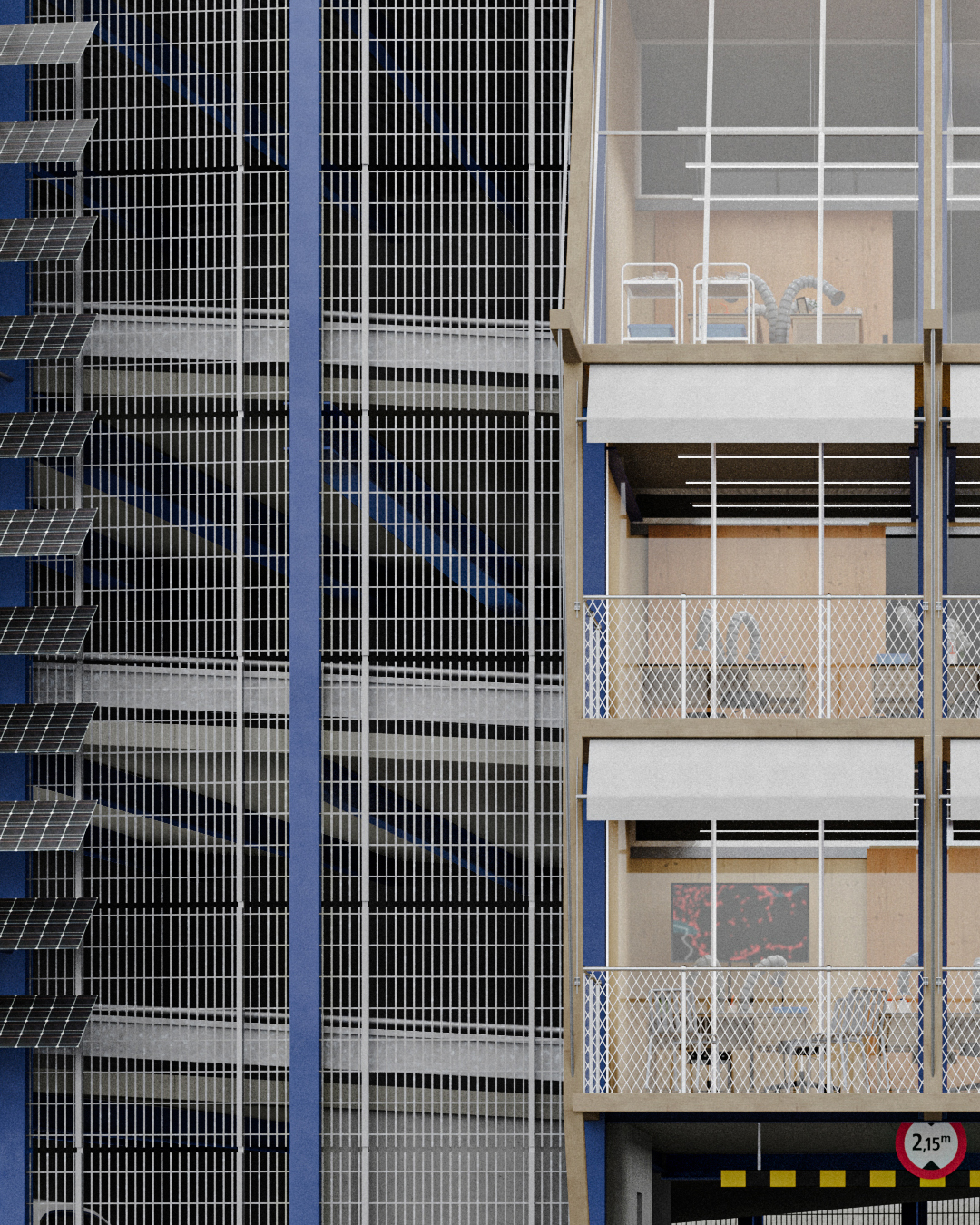
The proposal also explored different forms of storage. Excess solar energy could be held through a gravity battery system, where heavy stone blocks are lifted during the day and released when power is needed, and through water-based thermal storage embedded within the existing basins. Rooftop planting further assisted with the filtration of water and runoff, while a small new addition attached to the car park housed research spaces and offices. This made the site legible not only as technical infrastructure, but as a place where the otherwise invisible systems of urban toxicity could be monitored, studied and made public.
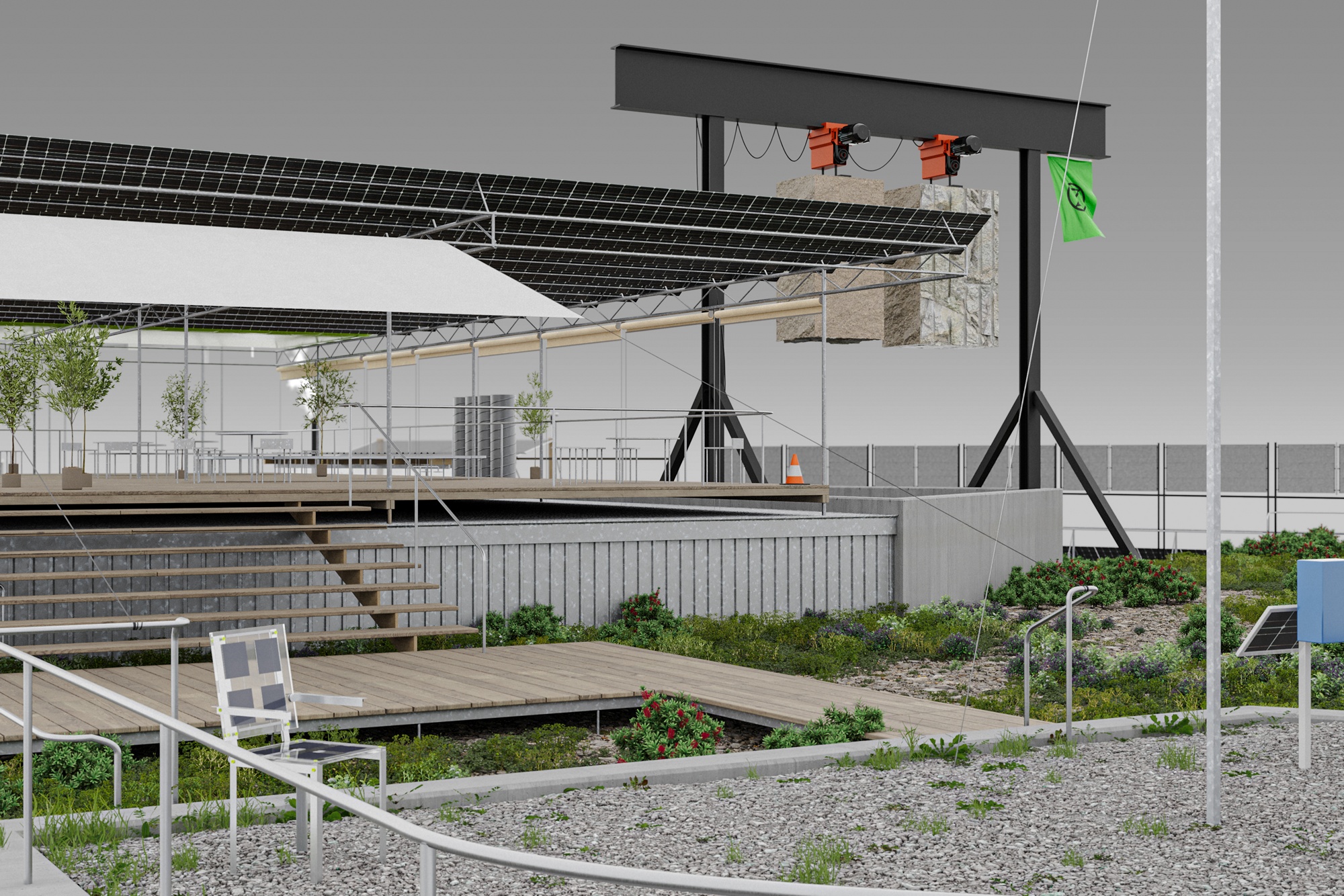

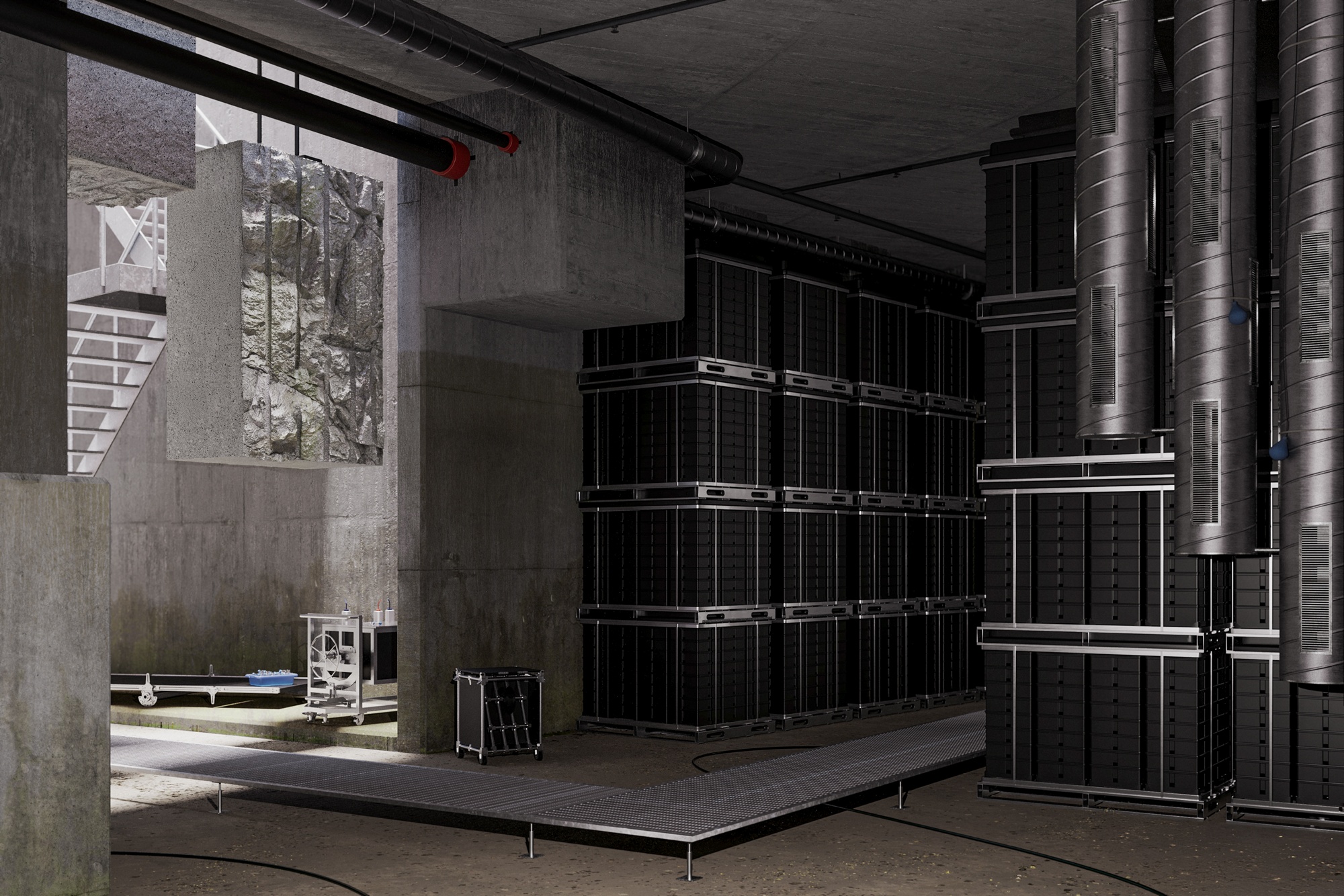

The project proposed a model that could extend beyond this site to other retention basins across Basel and elsewhere. It reframed the reservoir not as a repository for pollutants, but as an active piece of civic and ecological infrastructure: generating energy, supporting research, and contributing to environmental repair.
- Canopy
- Weather Station
- Gravity Battery
- Solar Panel Array
- Deck
- Biogas Storage
- Sauna
- Airloom
- Reservoir
- Fog Catchers
- Salt Water Batteries
- Balcony Extension
tbc