Biomaterial Workshops
MPavilion Parkville
2024-26
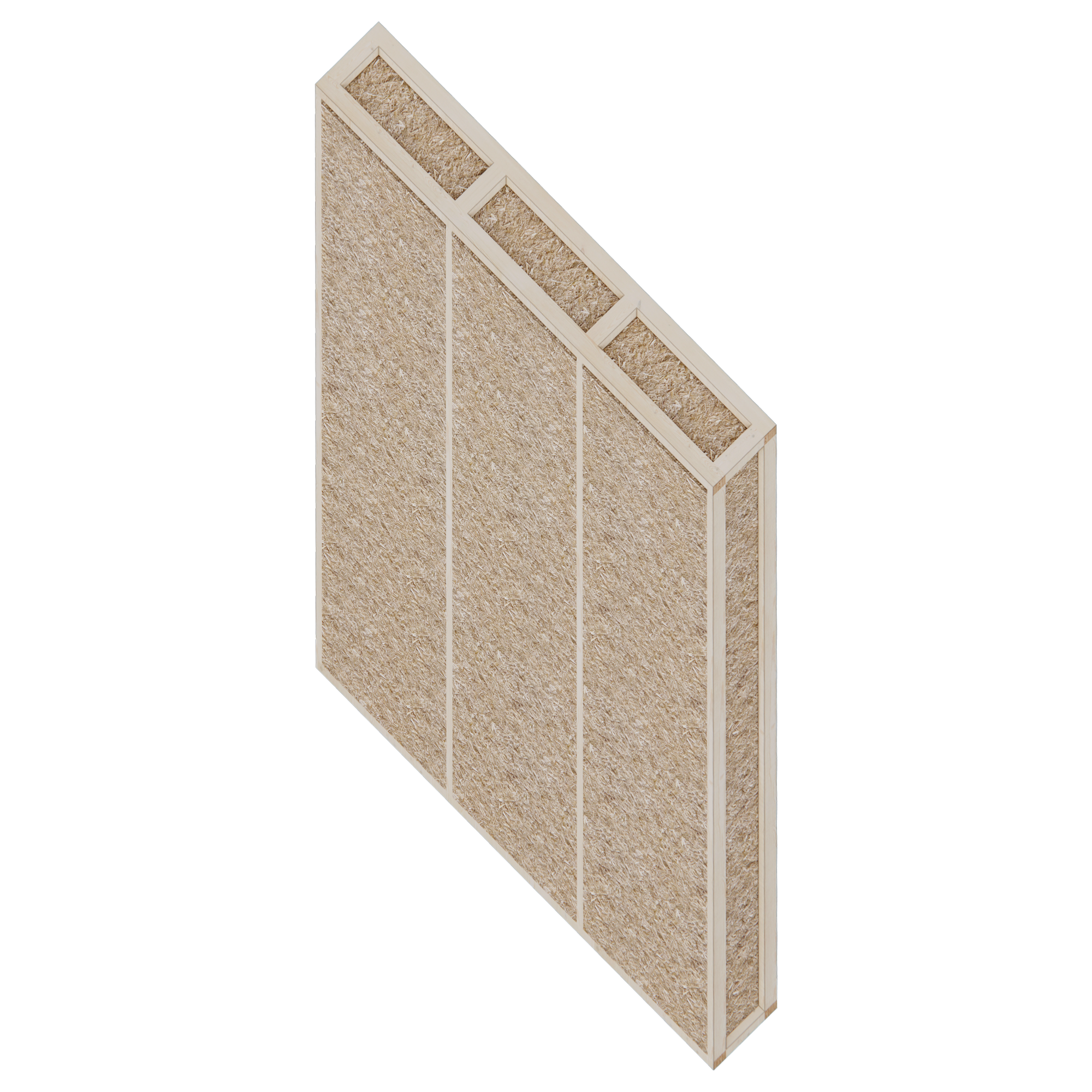

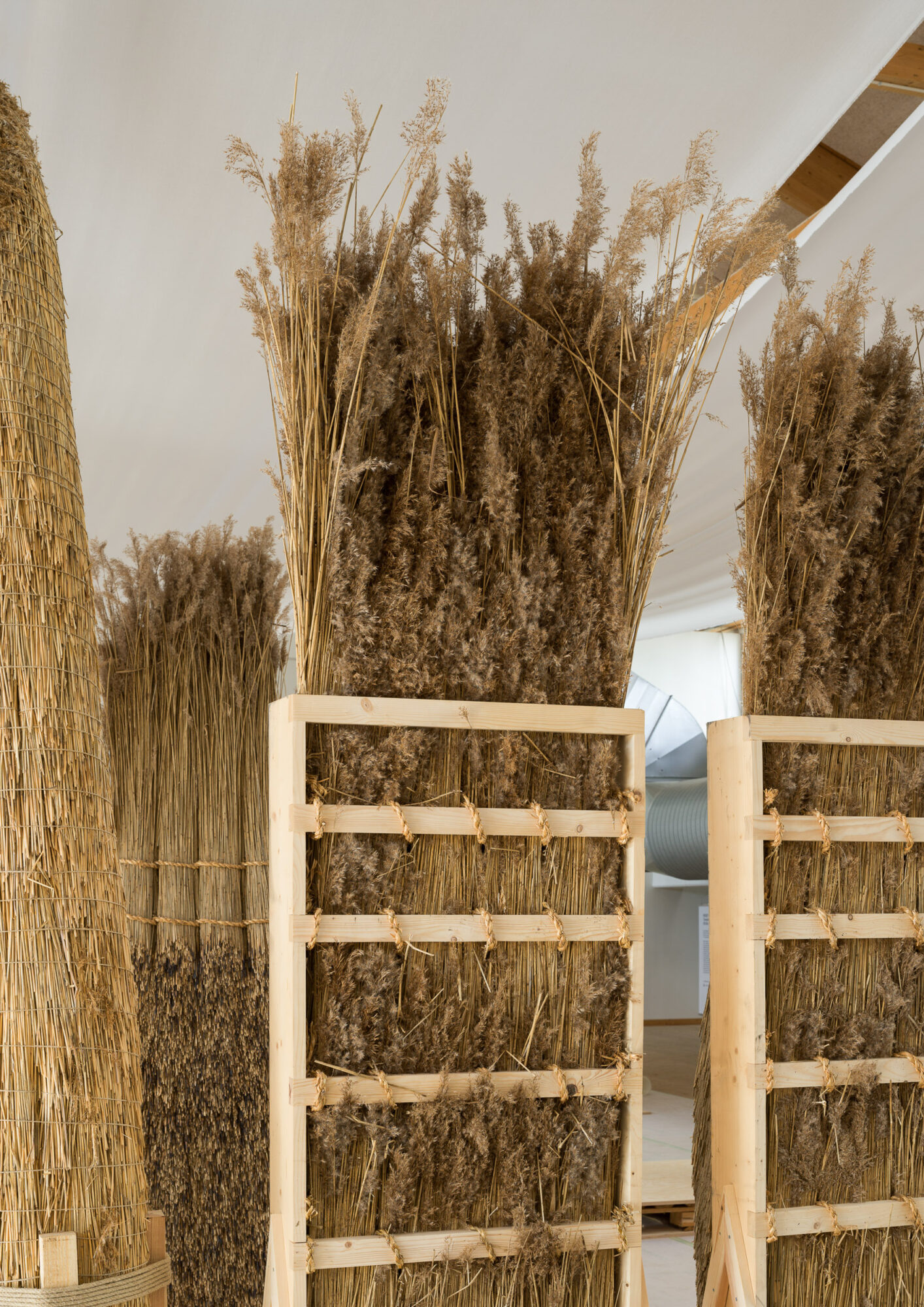
Simulaa’s biomaterial research focuses on establishing evidence-based, low-emission material systems for architecture, grounded in local ecologies, agricultural by-products, and real-time environmental data. Our work rejects the idea of biomaterials as niche or decorative. Instead, we treat them as infrastructural materials, whose performance, sourcing, and temporal behaviour can be designed, measured, and communicated with the same rigour as conventional construction systems.
A major part of this work is undertaken through ongoing teaching and research at the University of Melbourne’s Dookie Campus, a working agricultural property. Here, students engage directly with plant science, soil systems, cultivation practices, and agricultural waste streams. The campus provides access to field-scale conditions where architectural experimentation can be grounded in the realities of farming cycles, climate, land management, and regional production. This setting has allowed Simulaa to test bioregional material pathways—connecting straw, hemp, soil, timber, and other Victorian resources to new construction and fabrication models.
A major part of this work is undertaken through ongoing teaching and research at the University of Melbourne’s Dookie Campus, a working agricultural property. Here, students engage directly with plant science, soil systems, cultivation practices, and agricultural waste streams. The campus provides access to field-scale conditions where architectural experimentation can be grounded in the realities of farming cycles, climate, land management, and regional production. This setting has allowed Simulaa to test bioregional material pathways—connecting straw, hemp, soil, timber, and other Victorian resources to new construction and fabrication models.
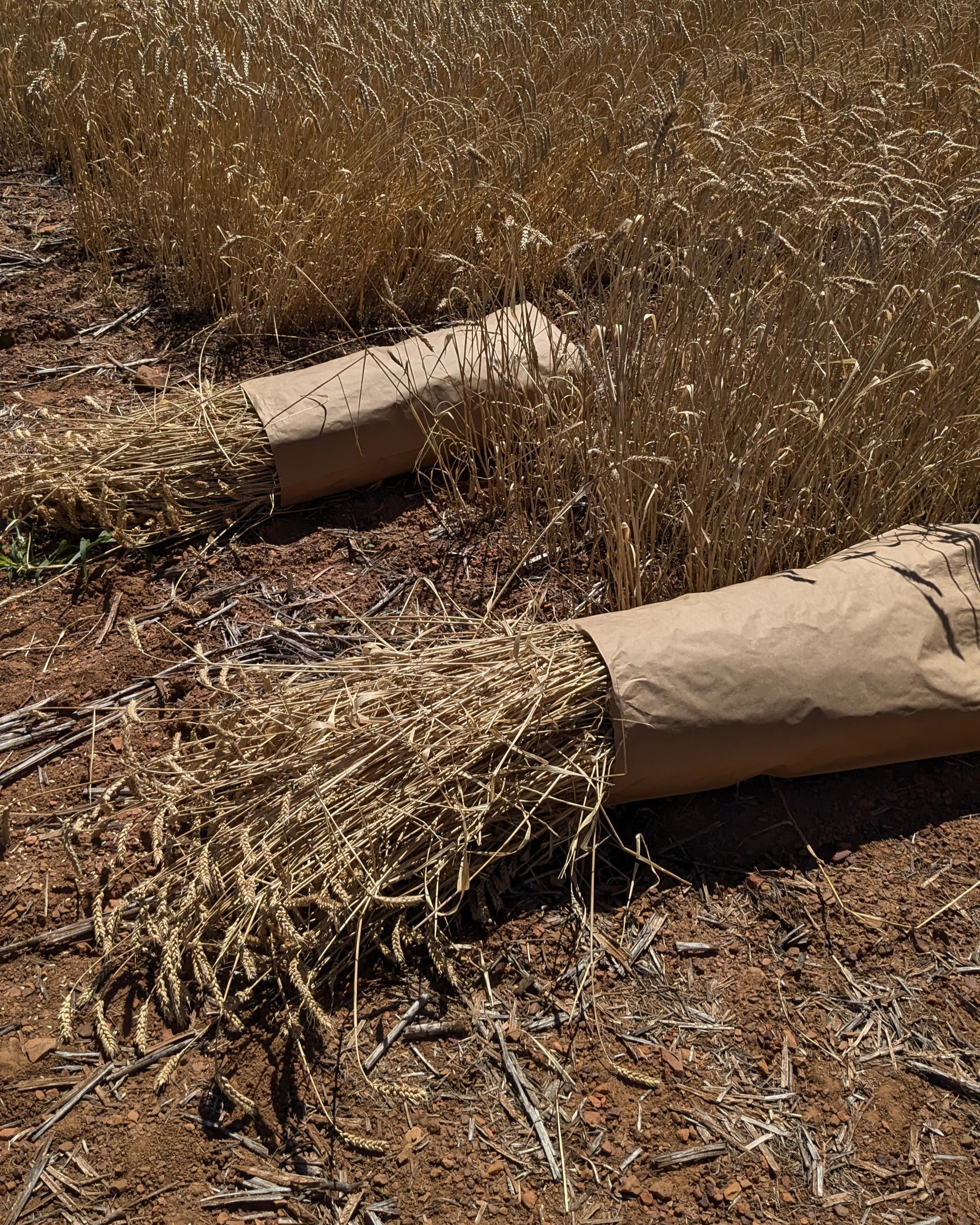
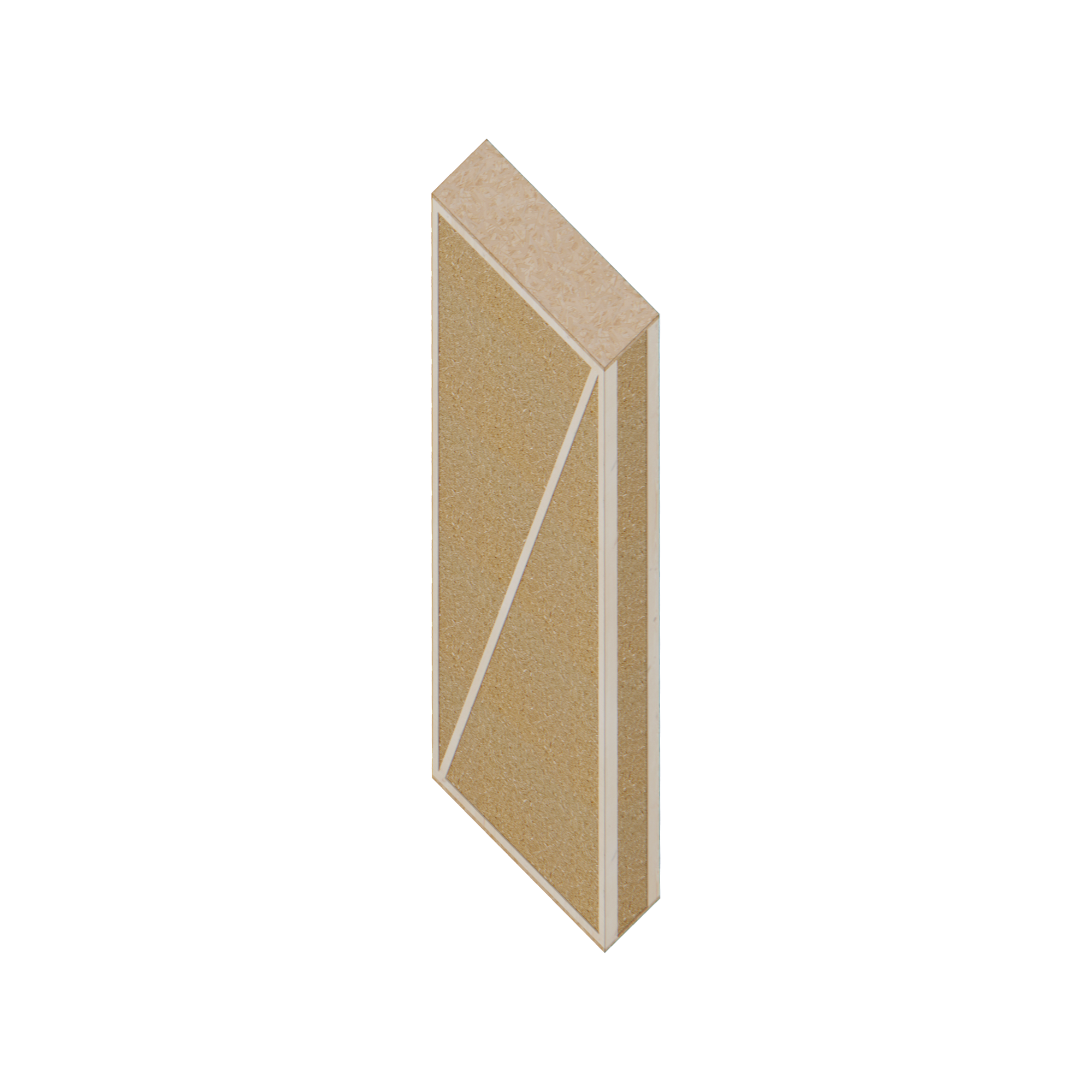

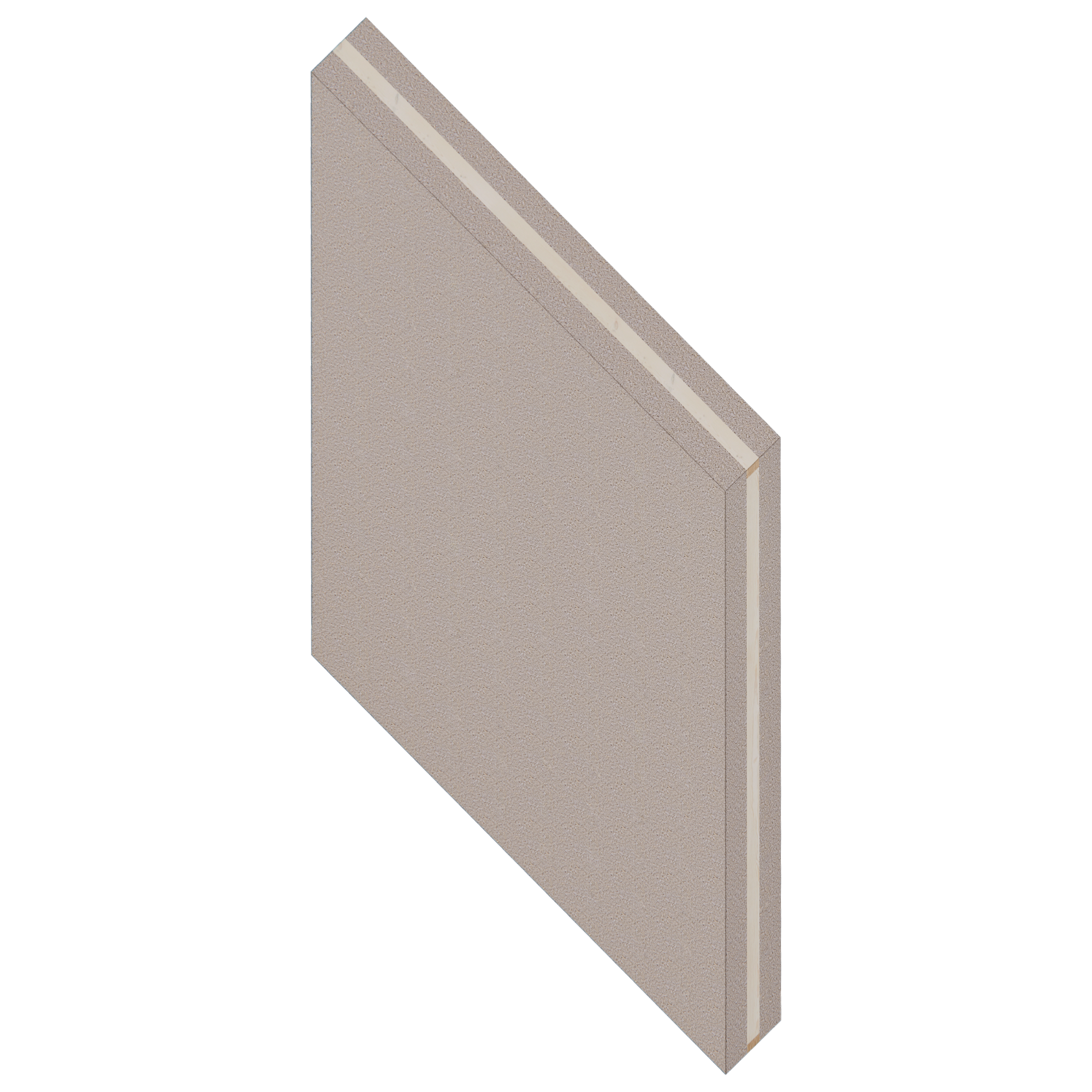
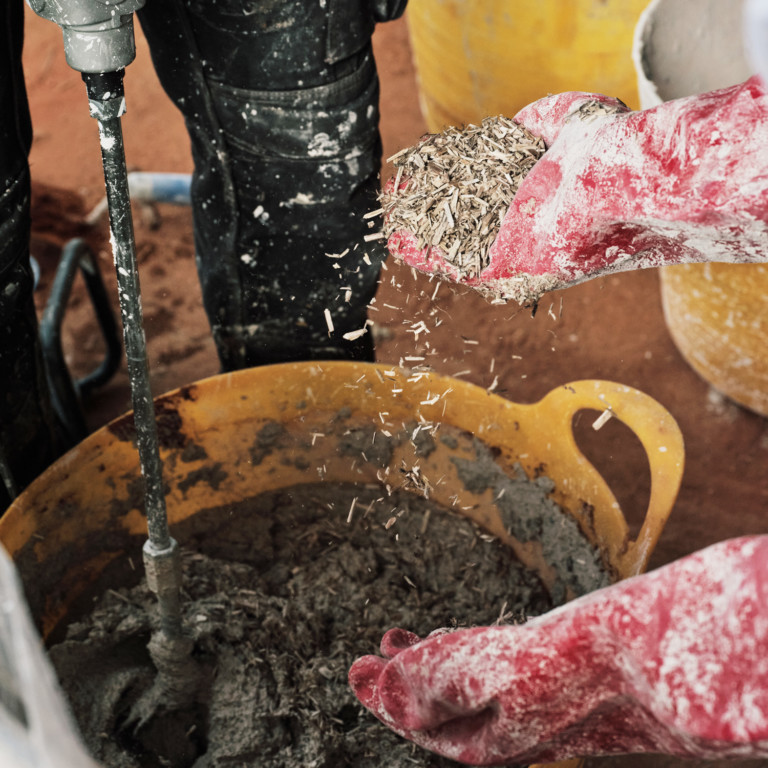
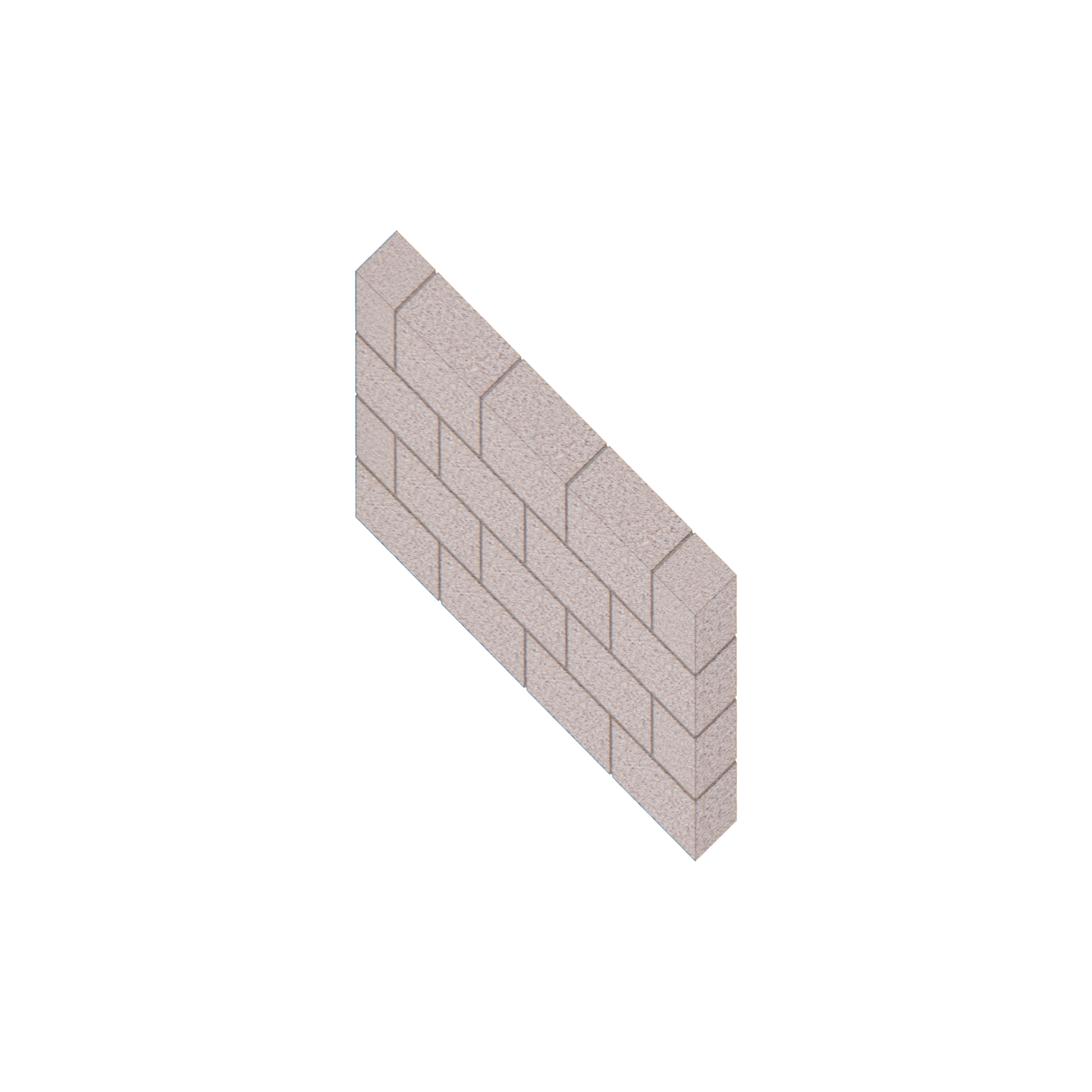
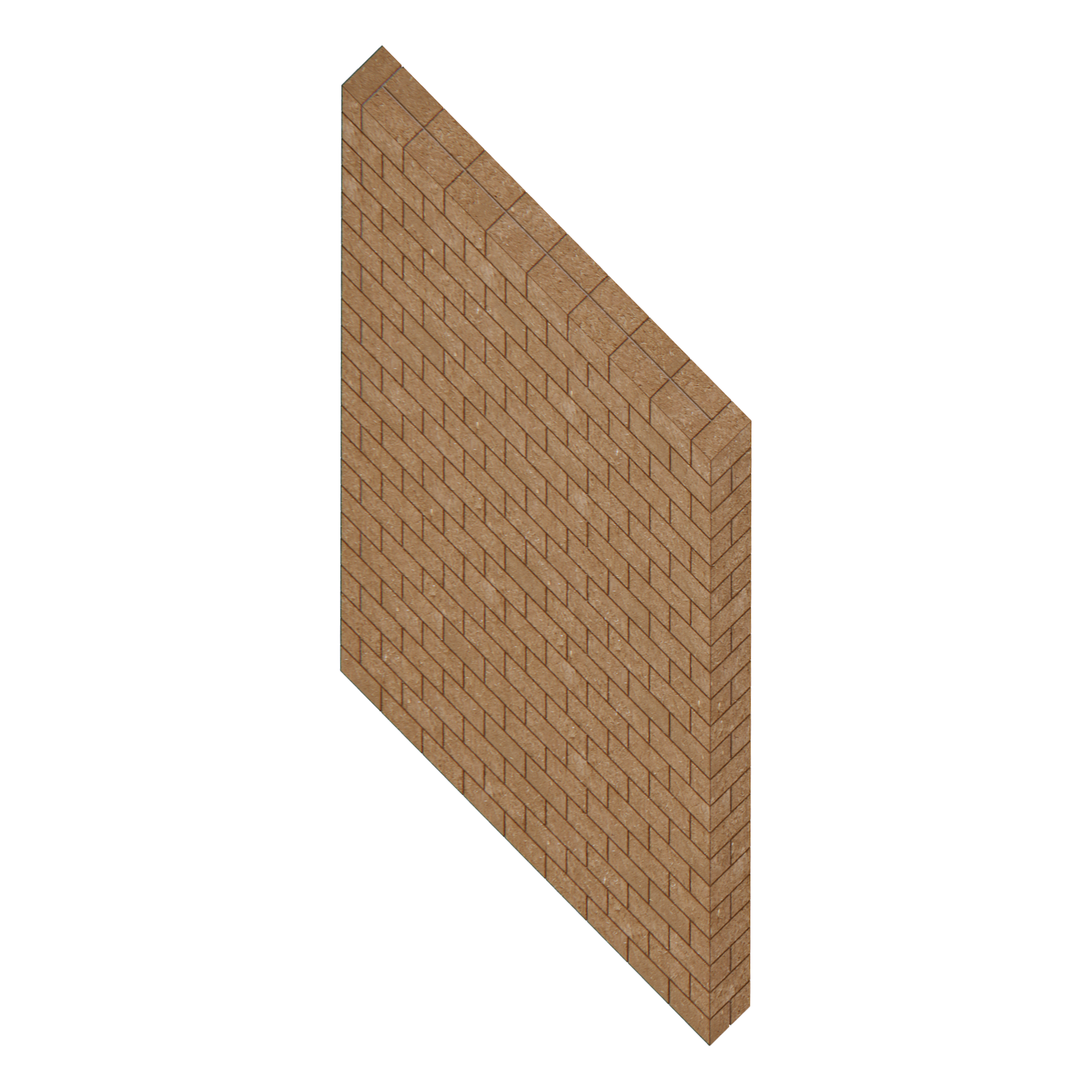
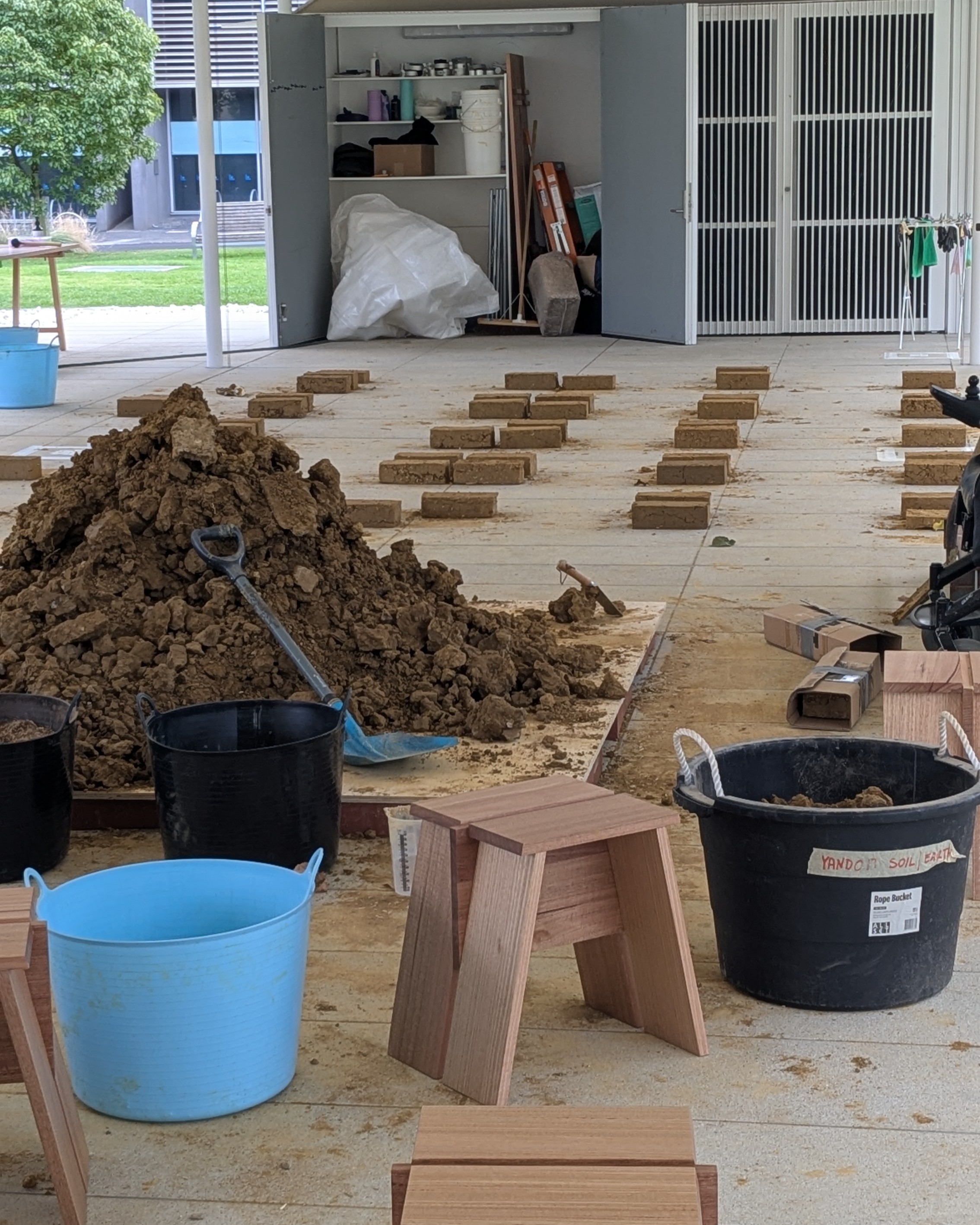

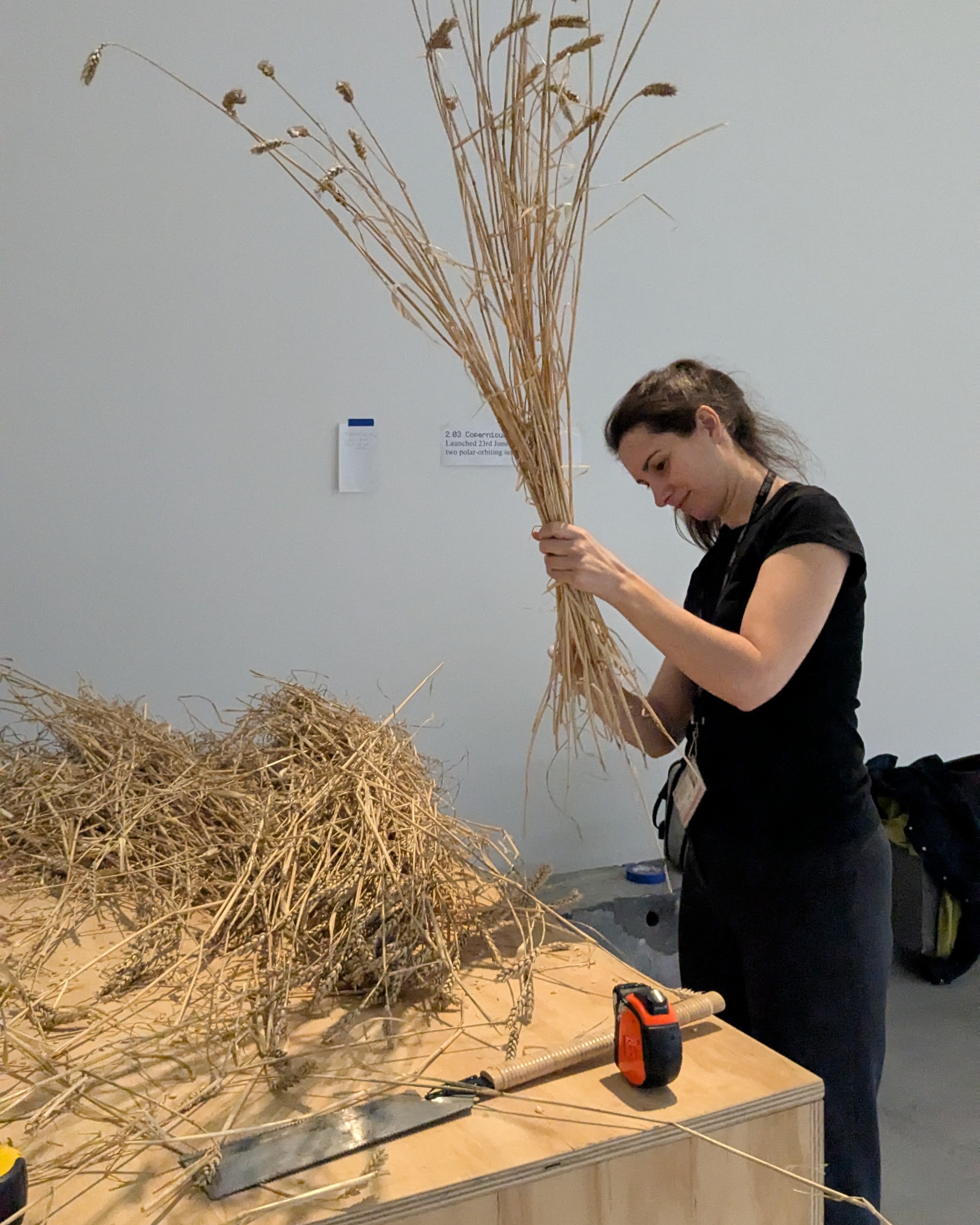
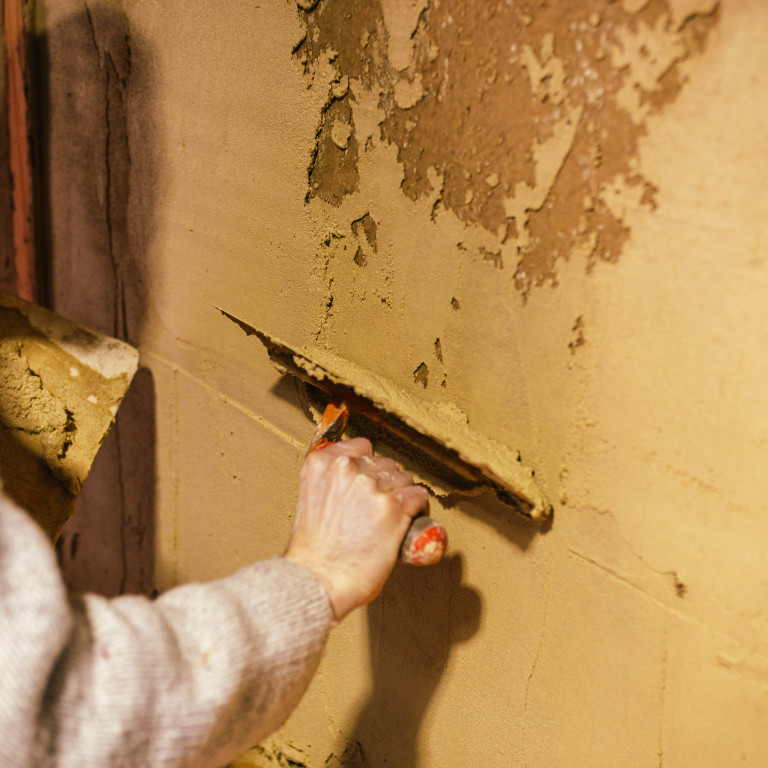
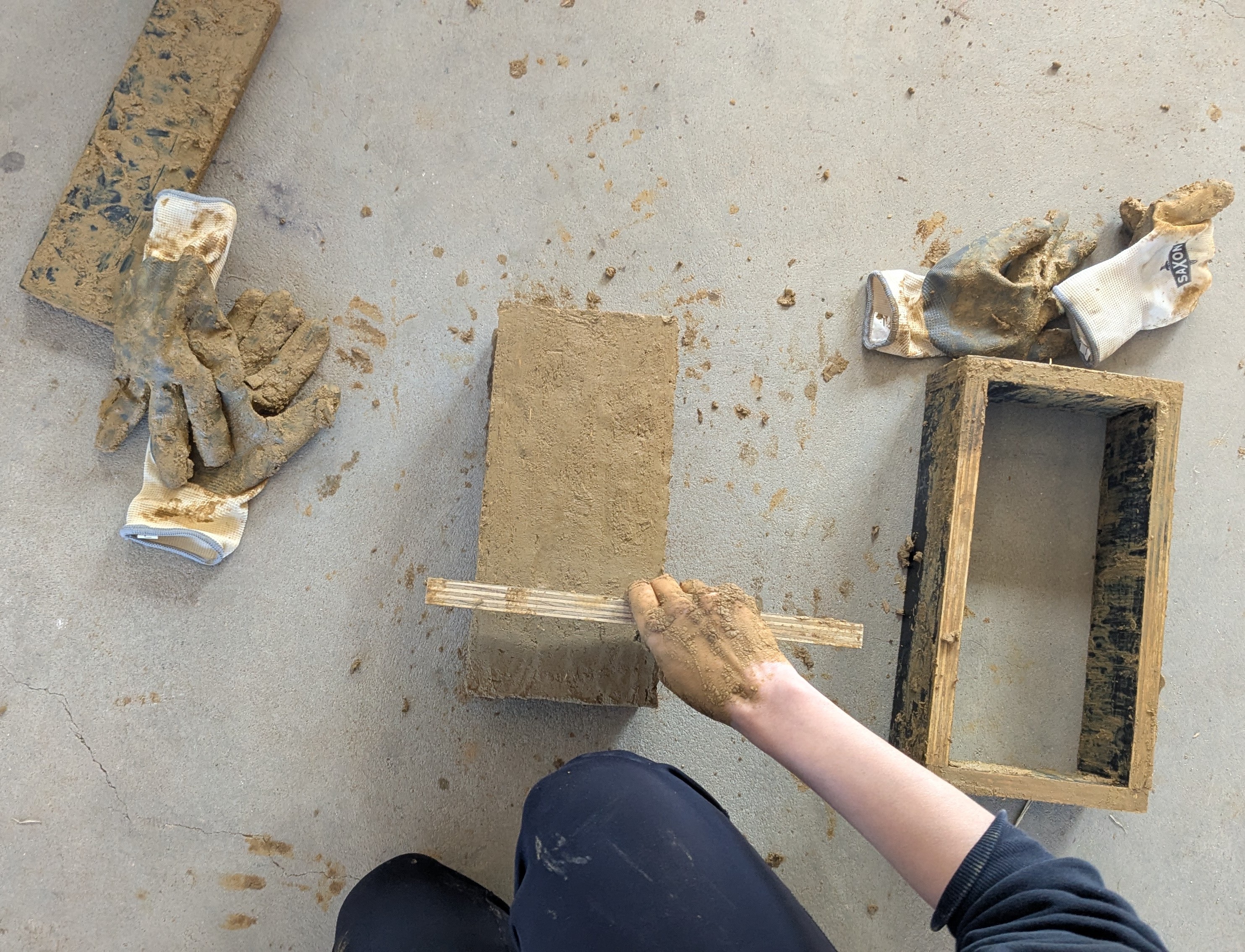
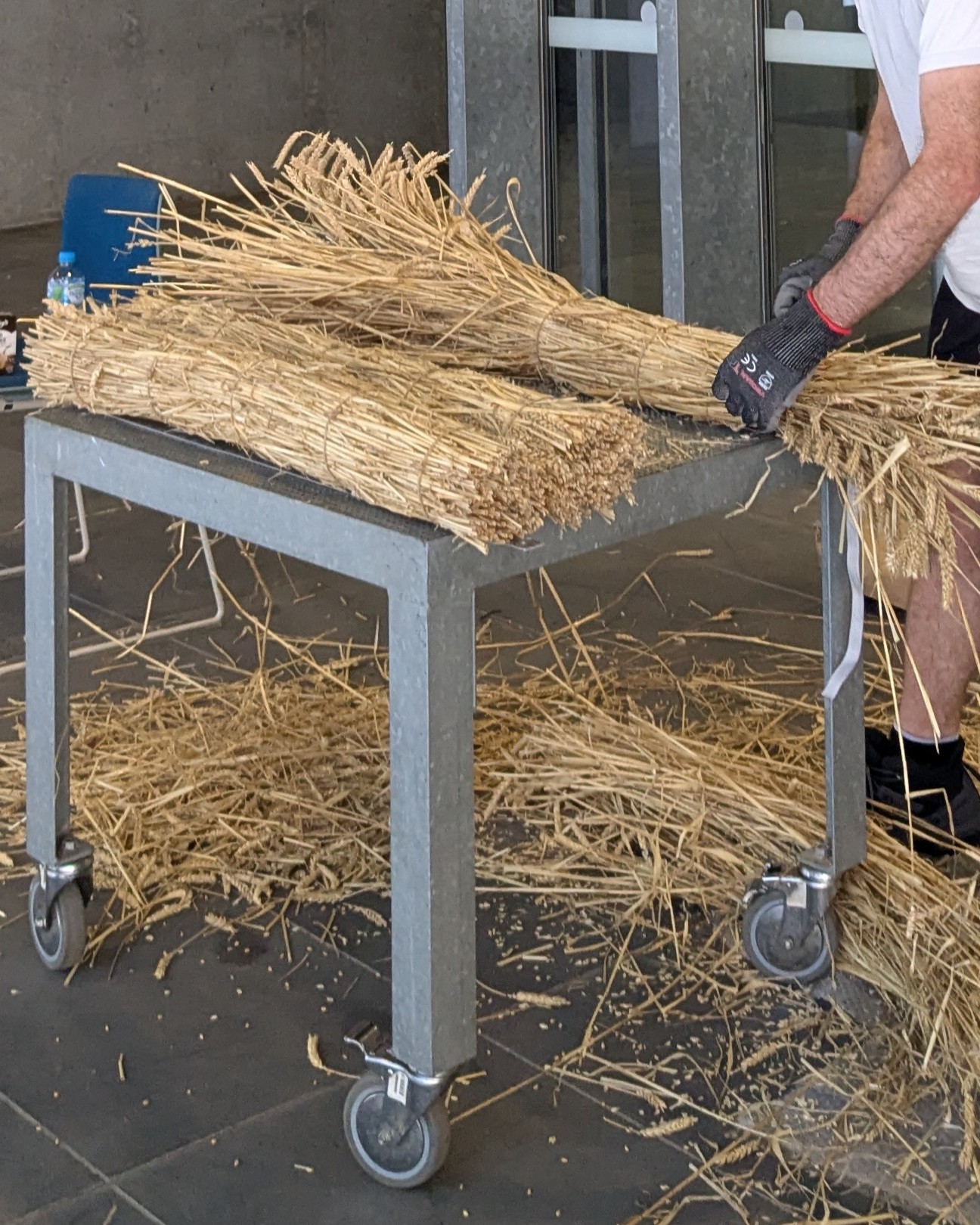
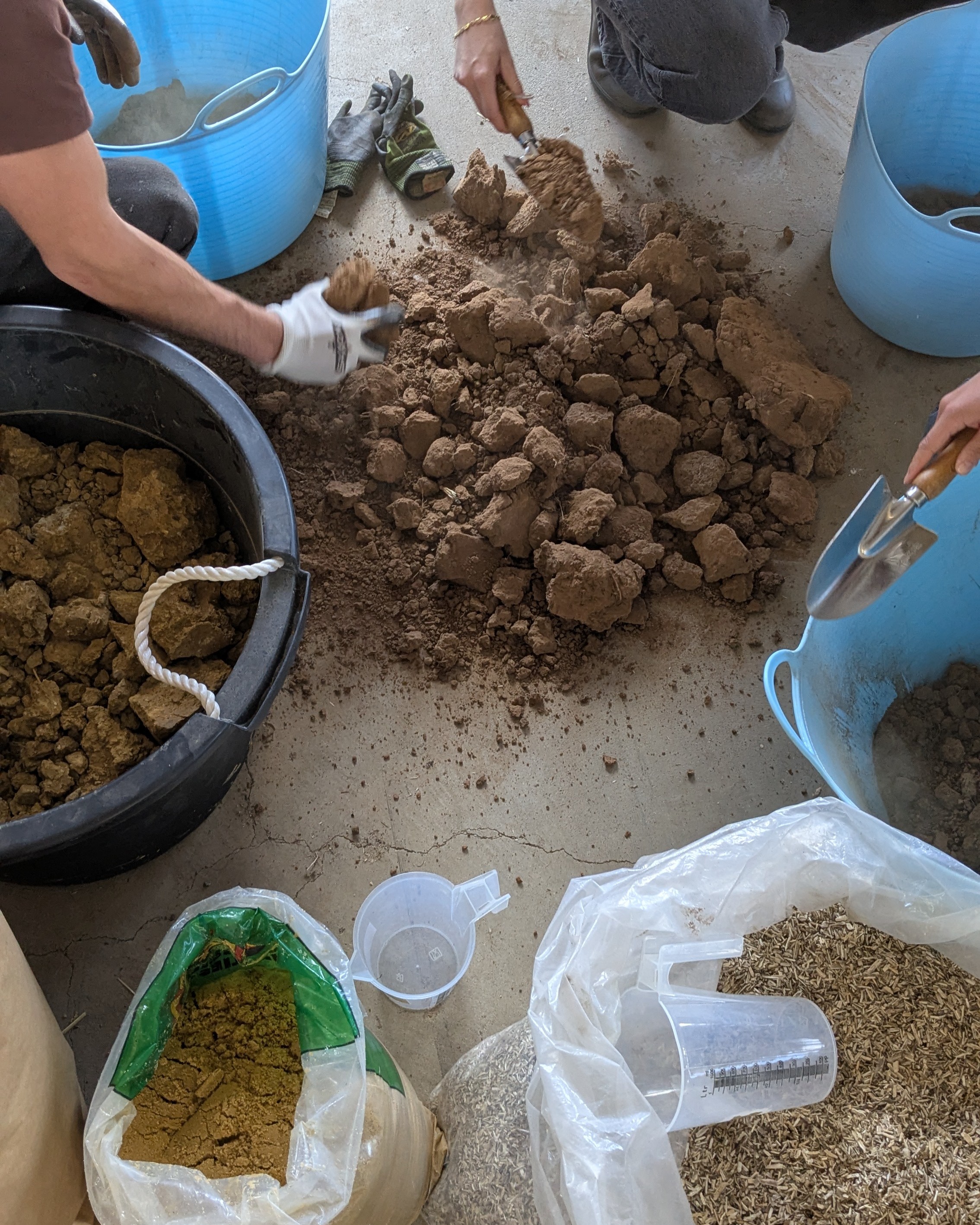
In 2024–25, Simulaa extended this approach through the MPavilion Parkville Biomaterials Workshops, a public and student-facing program. These workshops tested hemp, straw, earth, and recycled cellulose systems through hands-on making, curing, and monitoring. Participants worked with real agricultural residues sourced from Victorian farms, examining moisture behaviour, thermal performance, microbial activity, and durability across different forming and binding techniques. The program helped build material literacy and demonstrated that viable low-emission alternatives already exist within regional supply chains.
Across practice, teaching, and research, Simulaa continues to build a time-literate approach to biomaterials, one that acknowledges growth cycles, ageing, maintenance, decomposition, and reuse as fundamental architectural conditions.
Across practice, teaching, and research, Simulaa continues to build a time-literate approach to biomaterials, one that acknowledges growth cycles, ageing, maintenance, decomposition, and reuse as fundamental architectural conditions.